


Hey there! As a supplier of Custom Folding Boxes, I've seen firsthand the impact that a well - designed box can have on a product. Whether it's protecting the item inside or making it stand out on the shelves, custom folding boxes are a key element in the packaging game. So, let's dive into how you can design your very own custom folding boxes.
1. Understand Your Product
First things first, you need to have a crystal - clear understanding of the product you're going to put in the box. What's its size, shape, and weight? For example, if you're packaging a delicate piece of jewelry, you'll need a box that provides enough cushioning. On the other hand, if it's a large electronic device, the box needs to be sturdy enough to handle the weight.
Think about the product's fragility. If it's something that can easily break, like glassware, you might want to consider adding internal partitions or foam inserts. These will prevent the product from shifting around during transit and getting damaged. Also, consider the product's aesthetics. If it's a high - end luxury item, you'll want a box that reflects that quality.
2. Define Your Brand Identity
Your custom folding box is an extension of your brand. It's the first thing your customers see, so it needs to convey your brand's message and personality. Start by looking at your brand's logo, colors, and overall style. Use these elements in your box design.
For instance, if your brand is known for its modern and minimalist aesthetic, your box should have clean lines and a simple color scheme. Incorporate your logo prominently on the box. You can use different printing techniques to make it stand out, like embossing or foil stamping. These not only make your logo look more professional but also add a touch of luxury.
3. Choose the Right Material
The material of your custom folding box plays a crucial role in its functionality and appearance. There are several options available, and each has its own pros and cons.
- Cardboard: This is a popular choice because it's cost - effective and lightweight. It's also easy to print on, so you can get detailed designs. However, it may not be as durable as some other materials, especially if your product is heavy or if it's going to be exposed to moisture.
- Corrugated Board: If you need a box that can withstand a lot of handling and shipping, corrugated board is a great option. It has a layer of fluted material between two flat sheets, which provides extra strength and protection. It's commonly used for shipping large or heavy items.
- Kraft Paper: Kraft paper gives a natural and rustic look to your box. It's eco - friendly and can be a great choice for brands that focus on sustainability. It's also relatively strong and can be printed on with various inks.
4. Consider the Box Structure
The structure of your custom folding box affects how it opens, closes, and holds the product. There are many different box structures to choose from, depending on your product's needs.
- Regular Slotted Container (RSC): This is the most common type of folding box. It has flaps on the top and bottom that fold in to close the box. It's easy to assemble and is suitable for a wide range of products.
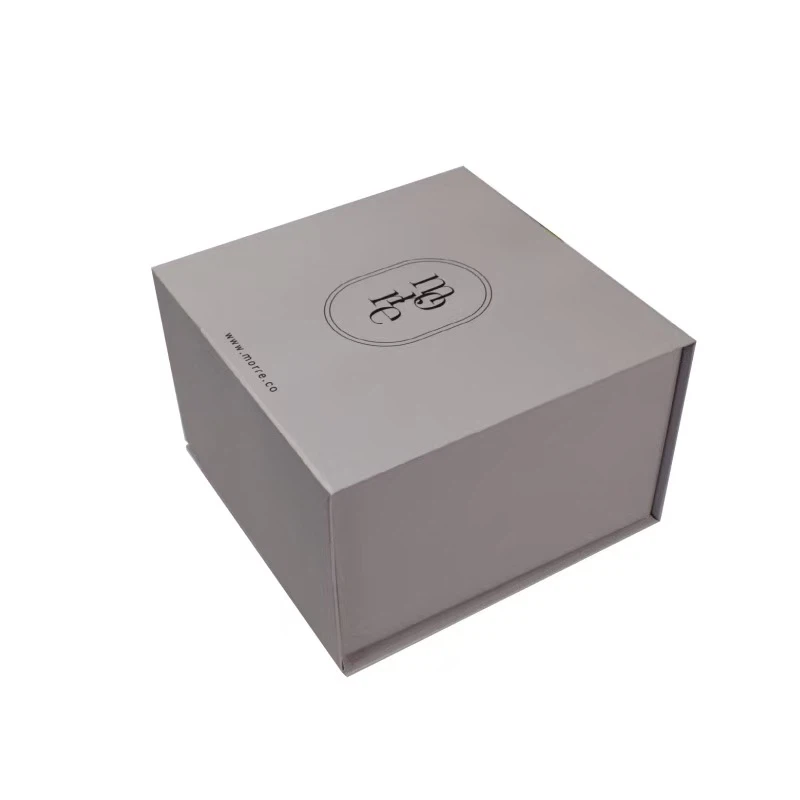
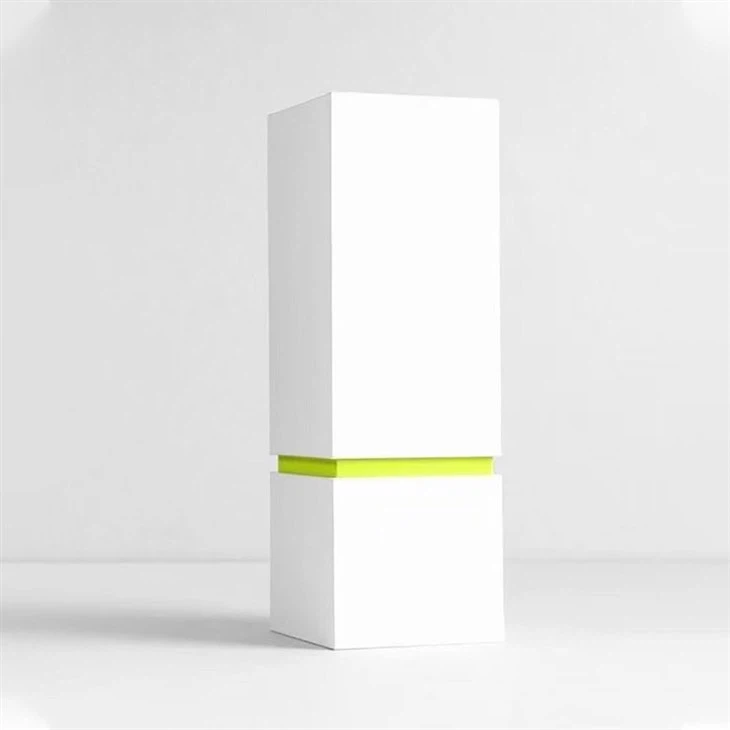
- Telescope Box: A telescope box consists of two parts: a base and a lid that slides over it. This type of box gives a more high - end look and is often used for luxury items like Paper Box with Lid.
- Auto - Lock Bottom Box: As the name suggests, the bottom of this box locks automatically when you fold it. It's quick to assemble and provides a strong base for the product.
5. Design the Graphics
The graphics on your custom folding box are what catch the customer's eye. You can use high - quality images, illustrations, or text to make your box more appealing.
- Use High - Resolution Images: If you're including product images on the box, make sure they're high - resolution. Blurry or pixelated images can make your brand look unprofessional.
- Create a Clear Message: The text on your box should be easy to read and convey a clear message. Whether it's the product name, features, or a call - to - action, make sure it stands out.
- Be Creative with Colors: Colors can evoke different emotions in your customers. For example, blue is often associated with trust and reliability, while red can create a sense of urgency. Choose colors that align with your brand and the message you want to send.
6. Add Finishing Touches
To make your custom folding box even more special, you can add some finishing touches.
- Embossing and Debossing: These techniques create a raised or depressed effect on the box's surface. You can use them on your logo or other design elements to add texture and depth.
- Foil Stamping: Foil stamping adds a shiny and metallic look to your box. It's often used for logos or text to make them stand out. You can choose from different colors of foil, like gold, silver, or copper.
- Gloss or Matte Lamination: Lamination can protect your box from scratches and moisture. A gloss lamination gives a shiny finish, while a matte lamination provides a more subdued and elegant look.
7. Think About Functionality
Your custom folding box should not only look good but also be functional. Consider how the customer will use the box.
- Easy to Open and Close: The box should be easy to open without the need for tools. At the same time, it should close securely to keep the product inside safe.
- Stackability: If your products are going to be stored or displayed in a stack, make sure your box is designed to stack easily. This will save space and make your products more organized.
- Reusability: In today's world, more and more customers appreciate products that are reusable. You can design your box in a way that it can be used for other purposes after the product is removed. For example, you can create a Wrap Storage Container that can be used to store other items later.
8. Test Your Design
Before you go into full - scale production, it's a good idea to test your custom folding box design. You can create a prototype of the box and see how it looks and functions in real - life situations.
- Check the Dimensions: Make sure the box fits your product perfectly. There should be enough space for the product and any additional packaging materials, like inserts or padding.
- Test the Printing Quality: Look at the colors, images, and text on the prototype. Make sure they look sharp and vibrant. If there are any issues with the printing, you can make adjustments before mass production.
- Assemble the Box: Try assembling the box yourself to see if it's easy to put together. If there are any parts that are difficult to fold or fit together, you may need to modify the design.
9. Explore Different Applications
Custom folding boxes can be used for a wide variety of products. Here are some examples:
- Food Products: For food items, you need to make sure the box is food - safe. You can use special coatings or liners to protect the food from contamination. You can also design the box to keep the food fresh, like adding ventilation holes for bakery items.
- Cosmetics: Cosmetic products often require a box that looks elegant and luxurious. You can use high - end materials and finishing touches to create a box that matches the quality of the product inside. For example, Printed Wine Boxes can be designed with a similar level of sophistication for high - end perfumes or makeup products.
- Gifts: Gift boxes are all about making a good impression. You can use unique designs and colors to make your gift box stand out. You can also add elements like ribbons or bows to make it more festive.
Conclusion
Designing custom folding boxes is a creative and rewarding process. By following these steps, you can create a box that not only protects your product but also enhances your brand's image. Remember, your custom folding box is a powerful marketing tool, so take the time to get it right.
If you're interested in designing your own custom folding boxes or have any questions about our products and services, we'd love to hear from you. Reach out to us, and let's start a conversation about how we can create the perfect packaging solution for your business.
References
- Packaging Digest. (2023). The Ultimate Guide to Packaging Design.
- Brand Packaging. (2023). Trends in Custom Packaging.


