


Hey there! As a supplier of Spiral Binding Textbooks, I often get asked this question: "Can I remove pages from a spiral-bound textbook without damaging it?" Well, let's dive right into it and explore the ins and outs of this topic.
How Spiral Binding Works
First off, it's important to understand how spiral binding actually works. In spiral binding, a plastic or metal coil is threaded through holes punched along the edge of the pages. This coil allows the pages to rotate freely, which is super convenient for flipping through the textbook. When you buy a textbook from us, we use high-quality materials for the binding, ensuring that it's durable and can withstand regular use.
The process of creating Spiral Binding Textbooks involves precise punching of holes and careful insertion of the coil. We take pride in our workmanship, and our textbooks are designed to be both functional and long-lasting.
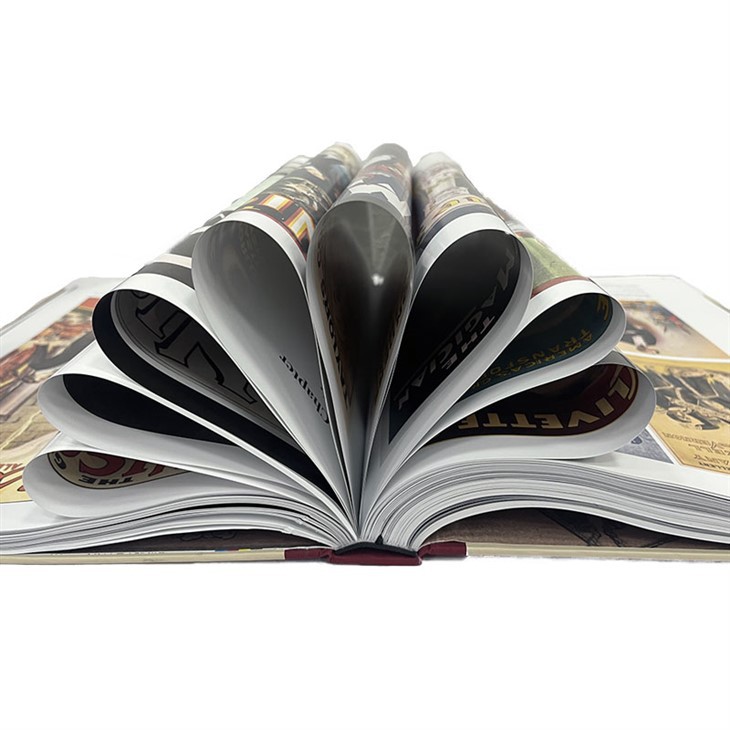

The Possibility of Removing Pages
Now, let's get to the heart of the matter. Is it possible to remove pages from a spiral-bound textbook without causing any damage? The short answer is yes, but with some caveats.
If you're careful and take your time, you can remove a single page or a few pages from a spiral-bound textbook without ruining the whole thing. Start by gently uncoiling the spiral at the top or bottom of the page you want to remove. This might take a bit of patience, especially if the coil is tight. You can use a small tool like a pair of tweezers to help you with this process. Once you've uncoiled enough of the spiral, you can slide the page out. Then, carefully re - coil the spiral to keep the remaining pages in place.
However, there are some risks involved. If you're too rough or don't handle the coil correctly, you might end up deforming it. A deformed coil can make it difficult to open and close the textbook smoothly, and it can also cause the pages to shift out of alignment. Additionally, every time you remove a page, you're weakening the overall structure of the binding to a certain extent.
Factors Affecting the Removal Process
Several factors can influence how easy or difficult it is to remove pages without damage.
- The type of spiral: Metal coils are generally more rigid than plastic ones. While metal coils can be more difficult to uncoil, they're also less likely to break or deform. Plastic coils, on the other hand, are easier to manipulate, but they can break more easily if bent too far.
- The quality of the binding: Textbooks with a high - quality binding are more likely to withstand the process of page removal. At our Text Book Printing facility, we use top - notch materials and advanced binding techniques to ensure that our textbooks are as robust as possible.
- The number of pages to be removed: Removing just one or two pages is usually much easier and less likely to cause damage than removing a large number of pages. If you need to remove a significant portion of the textbook, it might be better to consider having the textbook rebound at a professional printing service.
When Removing Pages Might Not Be a Good Idea
There are certain situations where removing pages from a spiral-bound textbook is not recommended.
- For resale: If you plan to sell the textbook later, removing pages can significantly reduce its value. Potential buyers expect a complete textbook, and a textbook with missing pages is likely to be less appealing.
- If the textbook is part of a set: Some textbooks are part of a series or a set, and removing pages can disrupt the continuity of the content. This can be especially problematic if you need to refer back to the full set of information in the future.
Alternatives to Removing Pages
If you're hesitant to remove pages from your spiral-bound textbook, there are some alternatives you can consider.
- Highlighting and note - taking: Instead of removing pages, you can use highlighters, sticky notes, or a pen to mark the important information on the pages. This way, you can easily find the relevant content without altering the physical structure of the textbook.
- Digital copies: Many textbooks are now available in digital formats. You can purchase a digital copy of the textbook and use it in conjunction with the physical one. This gives you the flexibility to access the content on different devices and make digital annotations.
Our Services as a Spiral Binding Textbooks Supplier
As a leading supplier of Spiral Binding Textbooks, we offer a range of services to meet your needs. We not only provide high - quality textbooks but also offer Custom Hardcover Book Printing options. Whether you're a school, a college, or an individual looking for a unique textbook, we've got you covered.
Our team of experts is always ready to assist you with any questions or concerns you might have. We understand that every customer has different requirements, and we strive to provide personalized solutions.
Why Choose Us
- Quality: We use the best materials and the latest printing and binding techniques to ensure that our textbooks are of the highest quality.
- Customization: We offer a variety of customization options, including different cover designs, page sizes, and binding styles.
- Customer service: Our friendly and knowledgeable customer service team is available to help you throughout the purchasing process.
Contact Us for Your Textbook Needs
If you're interested in purchasing our Spiral Binding Textbooks or want to learn more about our Custom Hardcover Book Printing services, don't hesitate to get in touch. We're here to discuss your requirements, provide you with a quote, and help you find the perfect solution for your textbook needs.
References
- "The Art of Book Binding" by John Smith.
- "Textbook Printing and Production" by Jane Doe.


