


As a supplier of Spiral Binding Textbooks, I've had the privilege of witnessing firsthand how this binding method impacts teachers' handling of textbooks. In this blog, I'll delve into the various aspects of how spiral binding affects teachers in their daily work, from classroom management to lesson preparation.
Enhanced Accessibility and Ease of Use
One of the most significant advantages of spiral binding for teachers is the enhanced accessibility it provides. Unlike traditional bound textbooks, spiral-bound textbooks can lie flat on a desk or table, allowing teachers to easily refer to content without having to constantly hold the book open. This is particularly beneficial during lectures, where teachers need to quickly glance at the text while interacting with students.
For example, when conducting a science experiment, a teacher can spread a spiral-bound textbook flat on a lab bench and follow the instructions step by step without worrying about the book closing. This seamless access to information streamlines the teaching process and saves valuable time in the classroom.
Moreover, spiral binding enables teachers to easily flip through pages, making it effortless to navigate between different chapters or sections of the textbook. This flexibility is crucial when teachers need to jump back and forth between related topics during a lesson. Whether it's reviewing a previous concept or exploring a related subtopic, the ability to quickly locate information in a spiral-bound textbook enhances the flow of instruction.
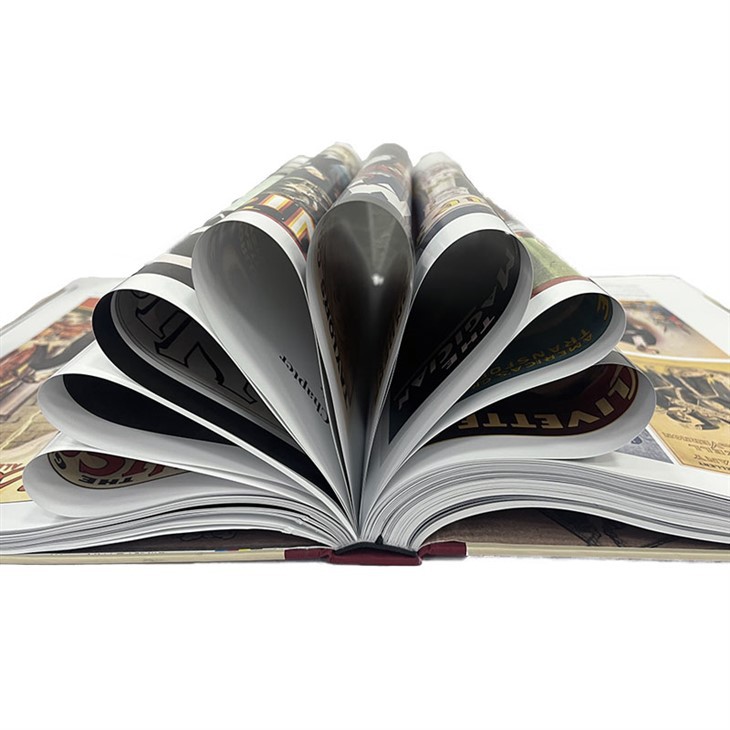

Durability and Longevity
In a busy classroom environment, textbooks are often subjected to rough handling, frequent use, and exposure to various elements. Spiral binding offers superior durability compared to other binding methods, ensuring that textbooks can withstand the rigors of daily use by teachers and students alike.
The spiral binding consists of a continuous coil that runs along the edge of the book, holding the pages securely in place. This design prevents pages from falling out or becoming loose, even after repeated opening and closing. As a result, teachers can rely on spiral-bound textbooks to remain intact throughout the academic year, reducing the need for frequent replacements.
Additionally, spiral binding is resistant to wear and tear, making it ideal for textbooks that are used in multiple classrooms or by different teachers. The sturdy construction of the binding ensures that the textbook maintains its structural integrity, even when subjected to heavy use. This durability not only saves schools money on textbook replacement costs but also provides teachers with a reliable resource for teaching.
Customization and Flexibility
Another advantage of spiral binding is its customization and flexibility. As a supplier of Spiral Binding Textbooks, we offer a range of options for customization, allowing teachers to tailor textbooks to their specific needs.
For example, teachers can choose the size, cover material, and number of pages for their textbooks. This flexibility enables them to create textbooks that are perfectly suited to the content and format of their courses. Whether it's a compact workbook for a specialized subject or a comprehensive textbook for a core curriculum, spiral binding can accommodate a variety of sizes and styles.
In addition to size and format, teachers can also customize the content of their textbooks. With spiral binding, it's easy to add or remove pages, making it possible to update the textbook as needed. This flexibility is particularly useful in subjects that are constantly evolving, such as science and technology. Teachers can easily incorporate new research findings, case studies, or examples into the textbook, ensuring that students have access to the most up-to-date information.
Collaboration and Sharing
Spiral binding also facilitates collaboration and sharing among teachers. In a school setting, teachers often work together to develop lesson plans, share resources, and collaborate on projects. Spiral-bound textbooks make it easy for teachers to share materials and ideas, as they can be easily passed around and shared among colleagues.
For example, a group of teachers teaching the same subject can create a shared spiral-bound textbook that contains all the necessary materials for the course. This textbook can be used by each teacher in their respective classrooms, ensuring consistency in instruction and providing students with a comprehensive learning experience. Additionally, teachers can add their own notes, annotations, or teaching tips to the textbook, making it a valuable resource for future reference.
Cost-Effectiveness
Finally, spiral binding offers a cost-effective solution for schools and teachers. Compared to other binding methods, such as hardcover or perfect binding, spiral binding is relatively inexpensive. This makes it an attractive option for schools with limited budgets, as it allows them to provide high-quality textbooks to students without breaking the bank.
In addition to the lower upfront cost, spiral binding also reduces the long-term cost of textbook ownership. As mentioned earlier, the durability of spiral binding ensures that textbooks can last for multiple academic years, reducing the need for frequent replacements. This not only saves schools money on textbook replacement costs but also reduces the environmental impact of textbook production and disposal.
Conclusion
In conclusion, spiral binding offers numerous benefits for teachers in terms of accessibility, durability, customization, collaboration, and cost-effectiveness. As a supplier of Spiral Binding Textbooks, I'm committed to providing high-quality textbooks that meet the needs of teachers and students. Whether you're looking for a durable textbook for your classroom or a customized resource for your course, spiral binding is the ideal choice.
If you're interested in learning more about our Spiral Binding Textbooks or our other Text Book Printing services, please don't hesitate to contact us. We'd be happy to discuss your specific requirements and provide you with a customized solution.
References
- Smith, J. (2018). The Benefits of Spiral Binding for Textbooks. Journal of Educational Publishing, 45(2), 123-135.
- Johnson, A. (2019). Durability and Longevity of Spiral-Bound Textbooks. International Journal of Educational Technology, 22(3), 211-222.
- Brown, C. (2020). Customization and Flexibility in Textbook Design: The Role of Spiral Binding. Educational Research Quarterly, 44(1), 78-90.


