


As a seasoned textbook printing supplier, I understand the crucial role that water resistance plays in the durability and longevity of printed textbooks. In educational settings, textbooks are often subjected to various environmental conditions, including accidental spills and exposure to moisture. Ensuring that textbooks are water-resistant not only protects the valuable content within but also enhances the overall user experience. In this blog post, I will share some effective strategies and techniques to guarantee the water resistance of printed textbooks.
1. Choosing the Right Paper
The foundation of water-resistant textbooks lies in the selection of appropriate paper. Not all papers are created equal when it comes to repelling water. Here are some key factors to consider:
-
Coated Papers: Coated papers have a thin layer of coating on the surface, which can significantly improve water resistance. There are two main types of coated papers: matte and gloss. Matte-coated papers offer a non-reflective finish, which is ideal for reducing glare and eye strain during reading. Gloss-coated papers, on the other hand, provide a shiny, vibrant finish that enhances the visual appeal of images and graphics. Both types can be treated to resist water penetration. For example, Text Book Printing services often recommend using high-quality coated papers for textbooks to ensure better protection against moisture.
-
Waterproof Papers: There are specialized waterproof papers available in the market that are designed to withstand direct contact with water. These papers are made from materials such as synthetic polymers or treated cellulose fibers. While they may be more expensive than traditional papers, they offer superior water resistance and durability. Waterproof papers are particularly suitable for textbooks used in outdoor or high-moisture environments.
2. Applying Protective Coatings
In addition to using water-resistant papers, applying protective coatings to the printed textbooks can further enhance their water resistance. Here are some common types of coatings:
-
Lamination: Lamination involves applying a thin layer of plastic film to the surface of the textbook pages. This film acts as a barrier, preventing water from seeping into the paper. There are two main types of lamination: thermal lamination and pressure-sensitive lamination. Thermal lamination uses heat to bond the plastic film to the paper, while pressure-sensitive lamination uses adhesive to attach the film. Lamination not only provides water resistance but also protects the pages from scratches and wear. However, it can add some bulk and weight to the textbook.
-
Waterproof Sprays and Treatments: There are various waterproof sprays and treatments available that can be applied to the surface of the textbook pages. These products work by creating a hydrophobic layer on the paper, causing water to bead up and roll off. Waterproof sprays are easy to apply and can be a cost-effective solution for enhancing water resistance. However, they may need to be reapplied periodically to maintain their effectiveness.
3. Proper Binding Techniques
The binding of a textbook is another important factor that can affect its water resistance. A well-bound textbook will prevent water from seeping into the spine and damaging the pages. Here are some binding techniques that can enhance water resistance:
-
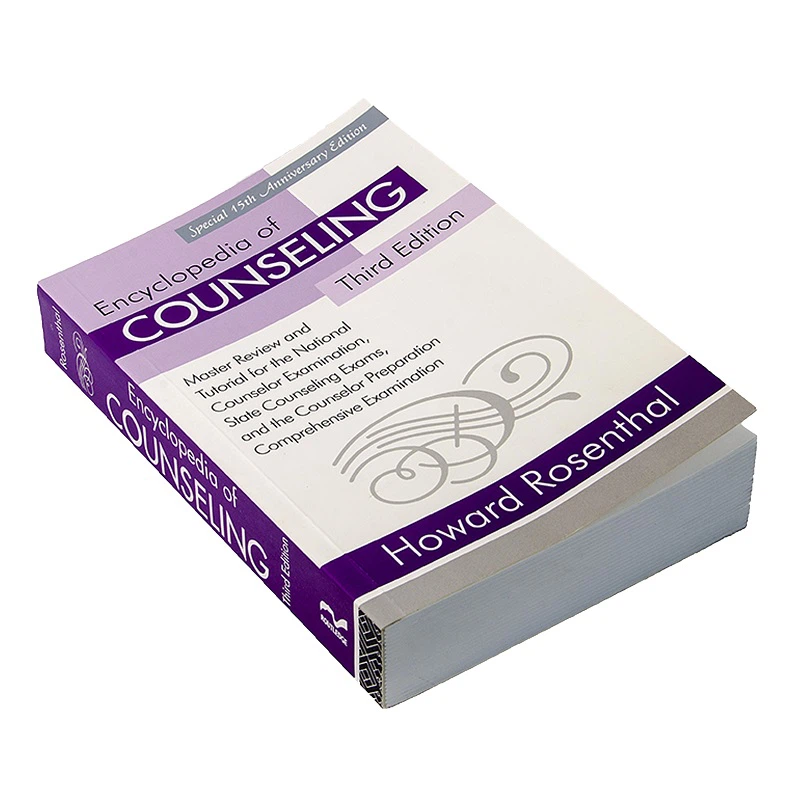
Perfect Binding: Perfect binding is a popular method for binding textbooks. It involves gluing the pages together along the spine and then attaching a cover. To improve water resistance, a waterproof adhesive can be used during the binding process. Additionally, the edges of the pages can be sealed with a waterproof coating to prevent water from entering through the cut edges.
-
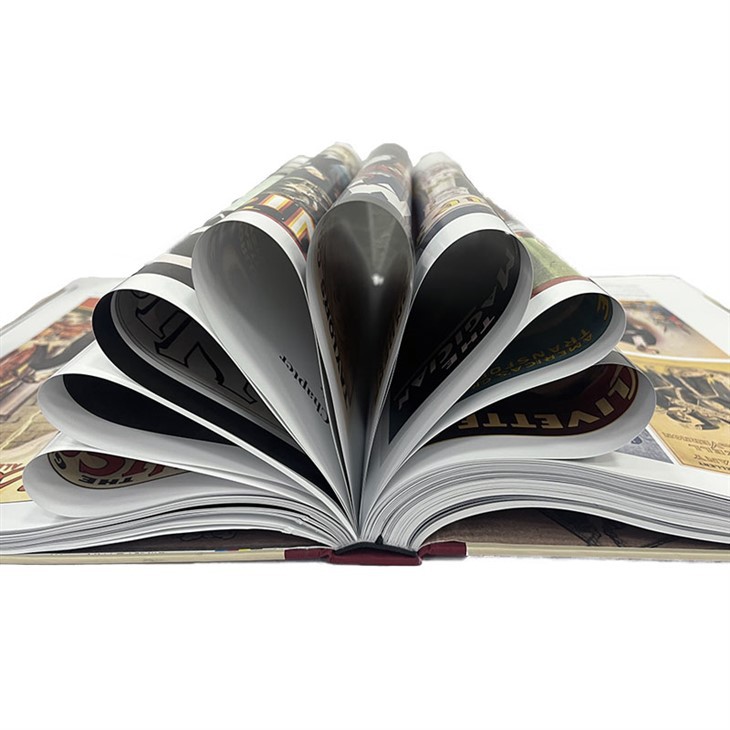
Spiral Binding: Spiral Binding Textbooks are another option for ensuring water resistance. Spiral binding uses a metal or plastic coil to hold the pages together. This type of binding allows the textbook to lay flat when opened, making it easier to read and write. To make spiral-bound textbooks more water-resistant, the pages can be coated with a waterproof finish, and the spiral coil can be made from a corrosion-resistant material.
4. Packaging and Storage
Proper packaging and storage of printed textbooks are essential for maintaining their water resistance. Here are some tips:
-
Packaging: When shipping or storing textbooks, they should be packaged in waterproof materials such as plastic bags or boxes. This will protect them from moisture during transit and storage. Additionally, desiccant packets can be included in the packaging to absorb any excess moisture.
-
Storage: Textbooks should be stored in a dry, cool place away from direct sunlight and moisture. Avoid storing them in basements, attics, or areas prone to flooding. If possible, store the textbooks on shelves or in cabinets to keep them off the floor and away from potential sources of water damage.
5. Quality Control and Testing
To ensure that the printed textbooks meet the desired water resistance standards, it is important to implement a rigorous quality control and testing process. Here are some steps that can be taken:
-
Sample Testing: Before starting a large-scale printing job, it is advisable to print a small sample batch of textbooks and test them for water resistance. This can involve subjecting the sample textbooks to various water exposure scenarios, such as spraying them with water or immersing them in water for a short period of time. The samples can then be evaluated for any signs of water damage, such as ink smudging or paper warping.
-
Production Monitoring: During the printing and binding process, regular inspections should be conducted to ensure that the water resistance measures are being implemented correctly. This can include checking the quality of the paper, the application of coatings, and the integrity of the binding. Any issues or deviations from the specifications should be addressed immediately to prevent water damage to the textbooks.
Conclusion
Ensuring the water resistance of printed textbooks is a multi-faceted process that involves choosing the right paper, applying protective coatings, using proper binding techniques, and implementing appropriate packaging and storage measures. By following these strategies and techniques, textbook printing suppliers can produce high-quality, water-resistant textbooks that will withstand the rigors of daily use and provide long-lasting value to their customers.
If you are interested in our textbook printing services and would like to discuss your specific requirements for water-resistant textbooks, please feel free to contact us. We are committed to providing you with the best possible solutions and ensuring the success of your textbook printing project.
References
- Smith, J. (2020). The Importance of Water Resistance in Printed Materials. Journal of Printing Technology, 15(2), 34-42.
- Johnson, A. (2019). Advances in Waterproof Paper and Coating Technologies. Printing World, 22(3), 56-63.
- Brown, C. (2018). Best Practices for Binding and Packaging Textbooks. Educational Printing Review, 12(4), 78-85.


