


Labeling a paper box with a lid is a crucial step in product packaging that combines functionality with aesthetics. As a seasoned supplier of paper boxes with lids, I've witnessed firsthand the transformative power of well - executed labeling. In this blog, I'll share some expert insights on how to label your paper boxes effectively, covering everything from design considerations to practical application techniques.
Design Considerations
Understanding Your Audience
Before you start designing your label, it's essential to understand your target audience. Different demographics have varying preferences when it comes to colors, fonts, and imagery. For example, if your product is aimed at a young, trendy market, you might opt for bold colors and modern fonts. On the other hand, if your target audience is more conservative, a classic and elegant design would be more appropriate. Consider the cultural background of your audience as well, as certain colors and symbols may have different meanings in different cultures.
Branding Elements
Your label should be a powerful representation of your brand. Incorporate your brand logo prominently on the label. The logo is the face of your brand and helps consumers quickly identify your product. Use consistent colors and fonts that match your brand identity. This creates a cohesive look across all your packaging, making your products easily recognizable on the shelves. For instance, if your brand is known for its eco - friendly image, you could use earthy tones and sustainable - looking fonts on your label.
Information Placement
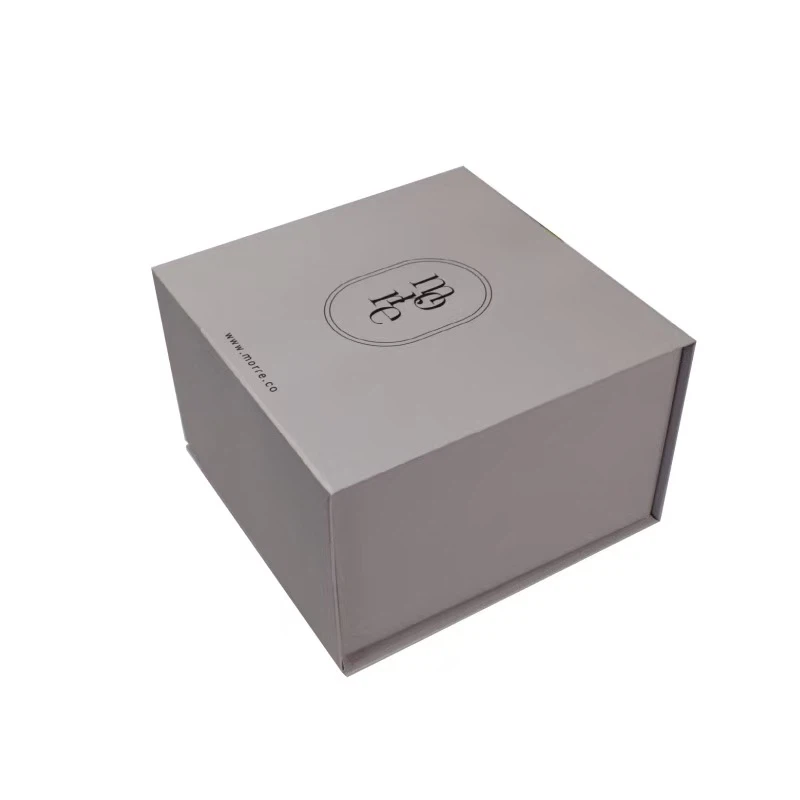
The label on your paper box with a lid needs to convey important information about the product. This includes the product name, description, ingredients (if applicable), usage instructions, and contact information. Place the most critical information at the top or center of the label, where it's easily visible. For example, the product name should be large and clear, so consumers can quickly identify what they're looking at. Use bullet points or short paragraphs to make the information easy to read.

Material Selection
Label Material
There are several types of label materials available, each with its own advantages. Paper labels are cost - effective and can be easily printed on. They come in different finishes, such as matte or gloss, which can affect the look and feel of the label. Vinyl labels are more durable and weather - resistant, making them suitable for products that may be exposed to harsh conditions. For a more luxurious look, you could consider using metallic or embossed labels.
Adhesive Type
The adhesive on the label is just as important as the label material itself. Permanent adhesives are ideal for labels that need to stay on the box for a long time without peeling off. Removable adhesives are useful if you want the label to be easily removed without leaving a residue, such as for promotional labels or labels on reusable boxes. Consider the surface of the paper box when choosing an adhesive. Some adhesives may not stick well to certain types of paper or coatings.
Printing Techniques
Digital Printing
Digital printing is a popular choice for labeling paper boxes with lids, especially for small - to - medium - sized runs. It offers high - quality printing with sharp images and accurate colors. Digital printing also allows for easy customization, so you can print different labels for different products or promotions. You can use digital printing to create unique designs with variable data, such as barcodes or personalized messages.
Offset Printing
Offset printing is a traditional printing method that is suitable for large - scale production. It provides excellent color reproduction and a smooth finish. Offset printing is more cost - effective for large quantities, as the setup costs are spread out over a larger number of labels. However, it may not be as flexible as digital printing when it comes to making last - minute changes to the design.
Application Techniques
Manual Application
Manual application of labels is a simple and cost - effective method, especially for small batches. You can use a label applicator tool or just your hands to carefully place the label on the box. Make sure the surface of the box is clean and dry before applying the label to ensure good adhesion. Start from one end of the label and slowly smooth it out towards the other end, removing any air bubbles as you go.
Automated Labeling Machines
For larger production volumes, automated labeling machines are the way to go. These machines can apply labels quickly and accurately, ensuring consistent placement on each box. There are different types of automated labeling machines available, such as wrap - around labelers, which can apply labels around the entire circumference of the box, or top - and - bottom labelers, which can apply labels to the lid and the base of the box.
Case Studies
Wrap Storage Container
Let's take a look at a real - world example of a Wrap Storage Container. The label on this container was designed with a clear product name at the top, followed by a brief description of what the container is used for. The label was printed on a durable paper material with a glossy finish to make it stand out. The adhesive was a permanent one, ensuring that the label stayed in place during handling and storage.
Printed Wine Boxes
Printed Wine Boxes often require a more sophisticated label design. The label on these boxes typically includes the wine brand name, vintage, grape variety, and tasting notes. The label material was chosen to match the luxurious nature of the product, with a metallic finish and embossed elements. The information was carefully laid out to create an elegant and professional look.
Custom Folding Boxes
Custom Folding Boxes offer a lot of flexibility in terms of labeling. The label can be designed to fit the unique shape and size of the box. For example, if the box has a curved surface, the label can be printed in a way that conforms to the shape. The label on custom folding boxes can also be used to showcase the custom features of the box, such as its eco - friendly materials or innovative design.
Conclusion
Labeling a paper box with a lid is a multi - faceted process that requires careful consideration of design, material, printing, and application. By following the tips and techniques outlined in this blog, you can create labels that not only look great but also effectively communicate important information about your product. If you're in the market for high - quality paper boxes with lids and need assistance with labeling, I'd be more than happy to help. Whether you're a small startup or a large corporation, we can work together to create the perfect packaging solution for your products. Reach out to start a conversation about your specific needs and let's take your product packaging to the next level.
References
- Packaging Digest. "Best Practices for Labeling Packaging."
- Labels & Labeling Magazine. "The Latest Trends in Labeling Materials and Printing."
- Packaging World. "Automated Labeling Solutions for High - Volume Production."


