


In the dynamic world of art card printing, flexibility is the key to meeting diverse customer needs and staying ahead of the competition. As an art card printing supplier, I understand the importance of offering a wide range of options to cater to different preferences and occasions. In this blog post, I will share some strategies and tips on how to make art cards more flexible in printing, ensuring that we can provide our customers with unique and personalized solutions.
1. Material Selection
The choice of materials plays a crucial role in the flexibility of art card printing. Different materials offer various textures, finishes, and durability, which can significantly impact the final look and feel of the cards.
- Paper Varieties: We should offer a diverse selection of papers, including cardstock, glossy paper, matte paper, and textured paper. Cardstock is a popular choice for its sturdiness and ability to hold up well to handling. Glossy paper provides a shiny finish that enhances colors and makes images pop, while matte paper offers a more subdued and elegant look. Textured paper adds a tactile element to the cards, creating a unique sensory experience for the recipients.
- Specialty Materials: In addition to traditional papers, we can also explore the use of specialty materials such as metallic paper, vellum, or recycled materials. Metallic paper adds a touch of glamour and sophistication to the cards, making them perfect for special occasions like weddings or holidays. Vellum has a translucent quality that can create a soft and ethereal effect, ideal for romantic or artistic designs. Recycled materials are an eco-friendly option that appeals to environmentally conscious customers.
2. Size and Shape Customization
Another way to increase the flexibility of art card printing is by offering a variety of sizes and shapes. Standard sizes are convenient, but custom sizes and shapes can make the cards stand out and add a personal touch.
- Standard Sizes: We should continue to offer a range of standard sizes to meet the basic needs of our customers. Common sizes for art cards include 4x6 inches, 5x7 inches, and A6 (4.13x5.83 inches). These sizes are widely used and are compatible with most envelopes, making them easy to mail.
- Custom Sizes: However, we should also be willing to accommodate custom size requests. Some customers may need smaller or larger cards for specific purposes, such as invitations, bookmarks, or promotional materials. By offering custom sizes, we can provide a more tailored solution and meet the unique requirements of our clients.
- Shapes: In addition to size, we can also offer custom shapes for art cards. Instead of the traditional rectangular shape, we can create cards in circular, oval, square, or even irregular shapes. Custom shapes can add an element of surprise and creativity to the cards, making them more memorable.
3. Printing Techniques
The printing techniques we use can also have a significant impact on the flexibility of art card printing. Different techniques offer various effects and capabilities, allowing us to create unique and eye-catching designs.
- Digital Printing: Digital printing is a versatile and cost-effective option that allows for quick turnaround times and high-quality results. It is suitable for small to medium print runs and can produce vibrant colors and sharp images. Digital printing also offers the flexibility to print variable data, such as names, addresses, or personalized messages, making it ideal for personalized art cards.
- Offset Printing: Offset printing is a traditional printing method that is known for its high-quality and consistency. It is suitable for large print runs and can produce sharp, detailed images and smooth color gradients. Offset printing also offers a wider range of paper options and finishes, allowing us to create more luxurious and professional-looking art cards.
- Foil Stamping and Embossing: Foil stamping and embossing are two techniques that can add a touch of elegance and sophistication to art cards. Foil stamping involves applying a thin layer of metallic foil to the card surface, creating a shiny and reflective effect. Embossing, on the other hand, involves creating a raised or recessed design on the card surface, adding a tactile element to the cards. These techniques can be used to highlight important elements of the design, such as logos, text, or images.
4. Design and Layout Flexibility
The design and layout of art cards are also important factors in determining their flexibility. We should offer a range of design options and allow our customers to customize the layout to suit their needs.
- Pre-designed Templates: To make the design process easier for our customers, we can offer a library of pre-designed templates. These templates can serve as a starting point for the design and can be customized with the customer's own images, text, and colors. Pre-designed templates are a great option for customers who have limited design skills or who are looking for a quick and easy solution.
- Custom Design Services: In addition to pre-designed templates, we can also offer custom design services. Our team of professional designers can work closely with the customer to create a unique and personalized design that meets their specific requirements. Custom design services are ideal for customers who have a clear vision of what they want and are willing to invest in a high-quality design.
- Layout Flexibility: We should also offer flexibility in the layout of the art cards. Customers may have different preferences for the placement of images, text, and other elements on the card. By allowing them to customize the layout, we can ensure that the cards meet their expectations and reflect their personal style.
5. Finishing Options
The finishing options we offer can also enhance the flexibility of art card printing. Different finishes can add a unique look and feel to the cards and protect them from damage.
- Glossy or Matte Lamination: Lamination is a popular finishing option that involves applying a thin layer of plastic film to the card surface. Glossy lamination provides a shiny and reflective finish that enhances colors and makes the cards more durable. Matte lamination, on the other hand, offers a more subdued and elegant look and reduces glare.
- Spot UV Coating: Spot UV coating is a technique that involves applying a clear, glossy coating to specific areas of the card surface. This technique can be used to highlight important elements of the design, such as logos, images, or text, and add a touch of luxury and sophistication to the cards.
- Rounded Corners: Rounded corners are a simple but effective finishing option that can add a soft and elegant look to the art cards. Instead of sharp corners, rounded corners make the cards more comfortable to hold and less likely to get damaged.
6. Packaging and Presentation
The packaging and presentation of art cards are also important considerations in making them more flexible. We should offer a variety of packaging options to protect the cards during shipping and to enhance their overall appearance.

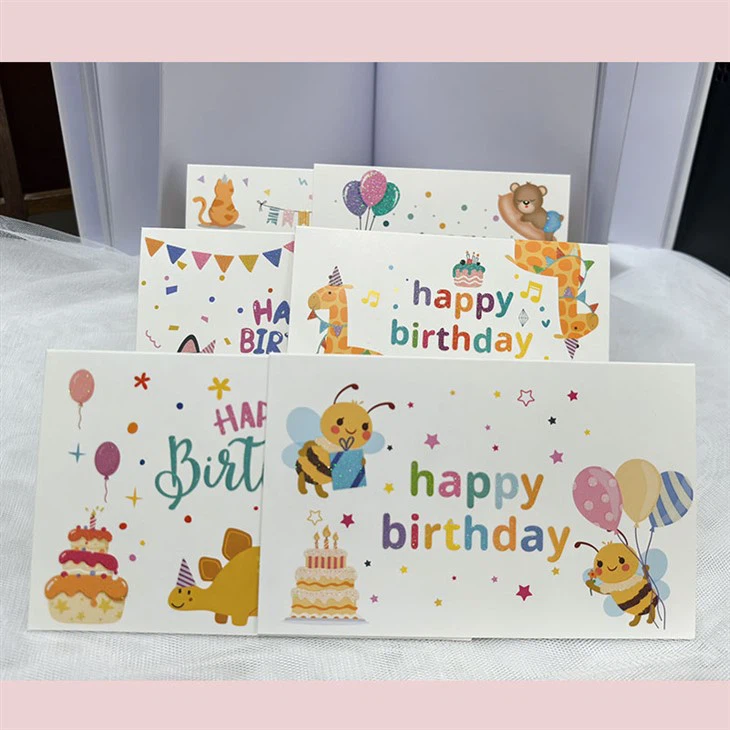
- Envelopes: Envelopes are an essential part of art card packaging. We should offer a range of envelope sizes and styles to match the size and shape of the cards. Envelopes can be made from different materials, such as paper, cardboard, or plastic, and can be customized with the customer's logo or design.
- Boxes and Sleeves: In addition to envelopes, we can also offer boxes and sleeves for art card packaging. Boxes are a great option for protecting the cards during shipping and can also be used for display purposes. Sleeves are a more lightweight and cost-effective option that can be used to protect the cards and add a professional touch to the presentation.
- Gift Sets: To make the art cards more appealing as gifts, we can offer gift sets that include multiple cards, envelopes, and other accessories. Gift sets can be customized with the customer's choice of cards, designs, and packaging, making them a perfect option for special occasions like birthdays, anniversaries, or holidays.
Conclusion
In conclusion, making art cards more flexible in printing is essential for meeting the diverse needs of our customers and staying competitive in the market. By offering a wide range of materials, sizes, shapes, printing techniques, design options, finishing options, and packaging solutions, we can provide a more tailored and personalized experience for our clients. Whether it's a simple birthday card or a complex promotional material, we can create unique and eye-catching art cards that meet the specific requirements of our customers.
If you are interested in our art card printing services or have any questions about how we can make your art cards more flexible, please feel free to contact us for a quote. We would be happy to discuss your needs and provide you with a customized solution.
References
- Smith, J. (2020). The Art of Card Printing. New York: Print Publishing.
- Johnson, A. (2019). Printing Techniques for Art Cards. London: Art Press.
- Brown, C. (2018). Customizing Art Cards for Maximum Impact. Sydney: Design Works.


