


Printing greeting cards with calligraphy-style text can add a touch of elegance and personalization to your cards. As a greeting card printing supplier, we understand the importance of creating high-quality cards that stand out. In this blog post, we'll guide you through the process of printing greeting cards with calligraphy-style text, from choosing the right fonts to selecting the appropriate printing techniques.
Step 1: Choose the Right Calligraphy Font
The first step in printing greeting cards with calligraphy-style text is to choose the right font. There are many calligraphy fonts available, each with its own unique style and personality. When selecting a font, consider the occasion and the message you want to convey. For formal occasions, such as weddings or business events, you may want to choose a classic and elegant font. For more casual occasions, such as birthdays or holidays, you can opt for a more playful and decorative font.
Some popular calligraphy fonts include:
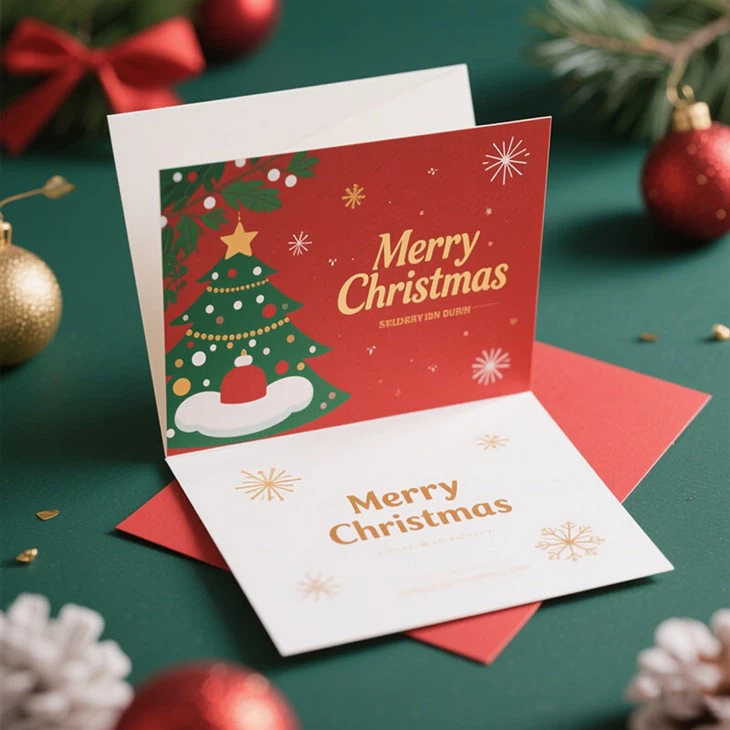

- Script fonts: These fonts mimic the look of handwritten calligraphy and are often used for formal invitations and greeting cards.
- Brush fonts: Brush fonts have a more organic and free-flowing style, giving your text a hand-painted look.
- Gothic fonts: Gothic fonts are characterized by their bold and angular letters, which can add a touch of drama to your cards.
You can find a wide variety of calligraphy fonts online, many of which are available for free download. Make sure to choose a font that is legible and easy to read, especially when printing small text.
Step 2: Prepare Your Design
Once you've chosen the right font, it's time to prepare your design. You can use graphic design software, such as Adobe Photoshop or Illustrator, to create your greeting card design. If you're not familiar with graphic design software, you can also use online design tools, such as Canva or PicMonkey, which offer pre-designed templates and easy-to-use editing features.
When creating your design, keep the following tips in mind:
- Choose the right color scheme: The color scheme of your greeting card can have a big impact on its overall look and feel. Choose colors that complement each other and match the occasion. For example, for a Christmas card, you may want to use traditional Christmas colors, such as red, green, and gold.
- Add graphics and images: Graphics and images can enhance the visual appeal of your greeting card. You can use clip art, photographs, or illustrations to add a personal touch to your design. Make sure to choose high-quality images that are relevant to the occasion and the message you want to convey.
- Leave enough space for the calligraphy text: Calligraphy text can be quite elaborate, so make sure to leave enough space for it in your design. You may also want to consider using a different color or font size for the calligraphy text to make it stand out.
Step 3: Select the Printing Technique
There are several printing techniques available for printing greeting cards with calligraphy-style text. The printing technique you choose will depend on your budget, the quantity of cards you need to print, and the desired quality of the final product.
Some common printing techniques include:
- Digital printing: Digital printing is a cost-effective option for printing small quantities of greeting cards. It offers high-quality results and allows for quick turnaround times. With digital printing, you can print your design directly onto the cardstock, without the need for plates or screens.
- Offset printing: Offset printing is a traditional printing technique that is suitable for printing large quantities of greeting cards. It offers excellent color accuracy and sharpness, and can produce high-quality results on a variety of paper stocks. Offset printing requires the use of plates, which are created from your design and used to transfer the ink onto the paper.
- Letterpress printing: Letterpress printing is a classic printing technique that creates a raised, textured effect on the paper. It is often used for printing high-end greeting cards and invitations, as it adds a touch of elegance and sophistication to the final product. Letterpress printing requires the use of a printing press and metal type, which are used to transfer the ink onto the paper.
As a greeting card printing supplier, we offer a variety of printing techniques to meet your needs. Our experienced team can help you choose the right printing technique for your project and ensure that you get the best results possible.
Step 4: Choose the Right Cardstock
The cardstock you choose for your greeting card can have a big impact on its overall look and feel. When selecting cardstock, consider the following factors:
- Weight: The weight of the cardstock refers to its thickness. Heavier cardstock is more durable and can give your greeting card a more substantial feel. However, it may also be more expensive.
- Texture: The texture of the cardstock can add a tactile element to your greeting card. You can choose from a variety of textures, such as smooth, matte, or textured.
- Color: The color of the cardstock can also affect the overall look of your greeting card. You can choose from a wide range of colors, including white, ivory, cream, and colored cardstock.
At our greeting card printing company, we offer a variety of cardstock options to choose from. Our experienced team can help you select the right cardstock for your project based on your budget, the desired look and feel of your cards, and the printing technique you've chosen.
Step 5: Print and Finish Your Greeting Cards
Once you've prepared your design, selected the printing technique, and chosen the right cardstock, it's time to print and finish your greeting cards. Our printing process is designed to ensure that you get high-quality results every time.
After printing, we can offer a variety of finishing options to enhance the look and feel of your greeting cards. Some common finishing options include:
- Cutting: We can cut your greeting cards to the desired size and shape, ensuring a clean and professional finish.
- Folding: If you're printing folded greeting cards, we can fold them for you, ensuring that the fold is straight and even.
- Embossing and debossing: Embossing and debossing are techniques that create a raised or depressed effect on the surface of the cardstock. They can add a touch of elegance and sophistication to your greeting cards.
- Foiling: Foiling is a technique that adds a metallic or holographic finish to your greeting cards. It can make your cards stand out and add a touch of luxury to the final product.
Explore Our Custom Printing Services
If you're looking for custom greeting card printing services, we've got you covered. We offer a range of options to suit your needs, including Custom Birthday Card Printing, Custom Christmas Card Printing, and Art Card Printing. Our team of experts will work with you to bring your vision to life and create stunning greeting cards that make a lasting impression.
Contact Us for Your Greeting Card Printing Needs
Printing greeting cards with calligraphy-style text can be a fun and rewarding process. By following these steps and working with a professional greeting card printing supplier, you can create high-quality cards that are sure to impress. If you have any questions or need help with your greeting card printing project, please don't hesitate to contact us. We're here to help you every step of the way.
References
- Adobe. (n.d.). Adobe Photoshop. Retrieved from https://www.adobe.com/products/photoshop.html
- Adobe. (n.d.). Adobe Illustrator. Retrieved from https://www.adobe.com/products/illustrator.html
- Canva. (n.d.). Canva - Graphic Design Platform. Retrieved from https://www.canva.com/
- PicMonkey. (n.d.). PicMonkey - Online Photo Editor. Retrieved from https://www.picmonkey.com/


