


In the realm of religious literature, the Bible holds a sacred and significant place. When it comes to printing Bibles, one crucial decision that often arises is whether to use genuine leather or faux leather for the covers. As a supplier of Leather Bible Book Printing, I have witnessed firsthand the considerations and debates surrounding this choice. In this blog post, I will explore the pros and cons of both genuine leather and faux leather for Bible printing, helping you make an informed decision for your next printing project.
The Allure of Genuine Leather
Genuine leather has long been associated with luxury, durability, and a timeless aesthetic. When used for Bible covers, it adds a touch of elegance and reverence to the sacred text. Here are some of the key advantages of using genuine leather in Bible printing:
1. Durability
One of the primary benefits of genuine leather is its exceptional durability. Leather is a natural material that can withstand the test of time, making it an ideal choice for a book that is likely to be handled and used frequently. A well-crafted leather Bible cover can last for generations, passing down the sacred text from one family member to another.
2. Aesthetic Appeal
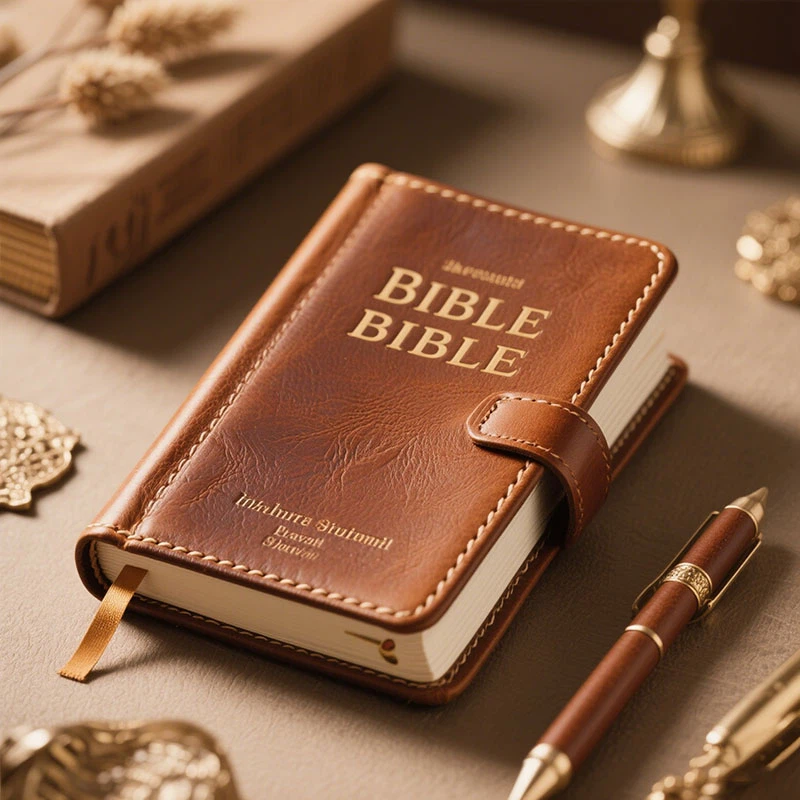
Genuine leather has a unique texture and appearance that is unmatched by any synthetic material. The natural grain and patina of leather develop over time, adding character and charm to the Bible cover. Whether it's a smooth, polished finish or a distressed, rustic look, leather can be customized to suit a variety of styles and preferences.
3. Sense of Tradition
Using genuine leather for Bible covers is a long-standing tradition that dates back centuries. Leather has been used to protect and adorn religious texts since ancient times, and it continues to be a symbol of reverence and respect for the sacred word. By choosing genuine leather, you are connecting with this rich tradition and adding a sense of authenticity to your Bible.
4. Comfort and Feel
Leather has a soft, supple feel that is comfortable to hold and handle. It molds to the shape of the hand over time, providing a personalized and ergonomic grip. This makes reading and carrying the Bible a more enjoyable experience, especially for those who spend long hours studying or meditating on its teachings.
The Advantages of Faux Leather
While genuine leather has many benefits, it is not without its drawbacks. Faux leather, also known as synthetic leather or vegan leather, is a popular alternative that offers several advantages of its own. Here are some of the reasons why you might consider using faux leather for your Bible printing project:
1. Cost-Effectiveness
One of the biggest advantages of faux leather is its affordability. Genuine leather can be expensive, especially if you are looking for high-quality, full-grain leather. Faux leather, on the other hand, is typically much less expensive, making it a more budget-friendly option for those who want a leather-like look without the high cost.
2. Environmental Sustainability
Faux leather is a more environmentally friendly option than genuine leather. The production of leather involves the use of chemicals and resources that can have a significant impact on the environment. Faux leather, on the other hand, is made from synthetic materials that are often recycled or biodegradable, reducing the carbon footprint and minimizing waste.
3. Variety of Colors and Finishes
Faux leather is available in a wide range of colors and finishes, allowing you to choose a cover that matches your personal style or the theme of your church or organization. Whether you want a bright, bold color or a subtle, neutral tone, faux leather can be customized to meet your specific needs.
4. Low Maintenance
Unlike genuine leather, faux leather is easy to clean and maintain. It does not require special treatments or conditioning to keep it looking its best, and it is resistant to stains and spills. This makes it a practical choice for those who lead busy lives or who have young children or pets in the home.
Considerations for Your Printing Project
When deciding whether to print a Bible on genuine leather or faux leather, there are several factors to consider. Here are some questions to ask yourself to help you make the right choice:
1. Budget
Your budget will play a significant role in your decision. If cost is a major concern, faux leather may be the more practical option. However, if you are willing to invest in a high-quality, long-lasting Bible cover, genuine leather may be worth the extra expense.
2. Intended Use
Consider how the Bible will be used. If it will be used primarily for personal study and meditation at home, faux leather may be sufficient. However, if it will be carried around and used in a variety of settings, such as church services, Bible studies, or missionary work, genuine leather may be a better choice due to its durability and resistance to wear and tear.
3. Style and Aesthetic Preferences
Think about the style and aesthetic you want to achieve with your Bible cover. Do you prefer a traditional, classic look or a more modern, contemporary style? Genuine leather offers a wider range of customization options in terms of texture, finish, and color, allowing you to create a unique and personalized Bible cover. However, faux leather can also be designed to mimic the look and feel of genuine leather, so it's important to choose a high-quality faux leather that closely resembles the real thing.
4. Ethical and Environmental Concerns
If you have ethical or environmental concerns about using animal products, faux leather may be the more suitable option. Faux leather is a cruelty-free alternative that does not involve the use of any animal hides. Additionally, many faux leathers are made from recycled materials or are biodegradable, making them a more sustainable choice.
Making the Decision
Ultimately, the decision of whether to print a Bible on genuine leather or faux leather depends on your individual needs, preferences, and budget. Both materials have their own advantages and disadvantages, and the choice you make will depend on a variety of factors.
If you value durability, aesthetic appeal, and a sense of tradition, genuine leather may be the best choice for you. It offers a unique and timeless look that is unmatched by any synthetic material, and it can last for generations. However, if cost, environmental sustainability, and low maintenance are your primary concerns, faux leather may be the more practical option.
As a supplier of Leather Bible Book Printing, I am committed to providing high-quality printing services using both genuine leather and faux leather. We offer a wide range of customization options, including different colors, finishes, and embossing, to help you create a Bible cover that is truly unique and personalized.
Whether you choose genuine leather or faux leather, we can help you bring your vision to life. Our team of experienced designers and printers will work closely with you to ensure that your Bible cover meets your exact specifications and exceeds your expectations.
Contact Us for Your Printing Needs
If you are interested in learning more about our Leather Bible Book Printing services or have any questions about choosing between genuine leather and faux leather, please don't hesitate to contact us. We would be happy to discuss your options and provide you with a free quote.
In addition to leather Bible covers, we also offer a variety of other printing services, including Bible Verse Art Print and Big Bible Print. Whether you are looking for a single copy of the Bible or a large print run for your church or organization, we have the expertise and resources to meet your needs.

Thank you for considering us as your printing partner. We look forward to working with you to create a beautiful and meaningful Bible cover that will be cherished for years to come.
References
- "The History of Leather in Religious Texts." Religious Artifacts Journal, Vol. 12, No. 3, 2018.
- "Sustainable Printing Materials: A Comparison of Genuine Leather and Faux Leather." Environmental Printing Review, Vol. 8, No. 2, 2020.
- "The Psychology of Leather: How Material Choices Affect Perception and Experience." Journal of Material Psychology, Vol. 15, No. 4, 2019.


