


Hey there! As a greeting card printing supplier, I've had my fair share of experience with different paper types. Choosing the right paper for greeting card printing can make a huge difference in the final look and feel of your cards. So, let's dive into the best paper types for greeting card printing.
Cardstock
Cardstock is probably the most popular choice for greeting cards, and for good reason. It's thick, durable, and has a nice, sturdy feel to it. Cardstock comes in a variety of weights, typically ranging from 65 lb to 110 lb or even higher. The higher the weight, the thicker and more substantial the cardstock will be.
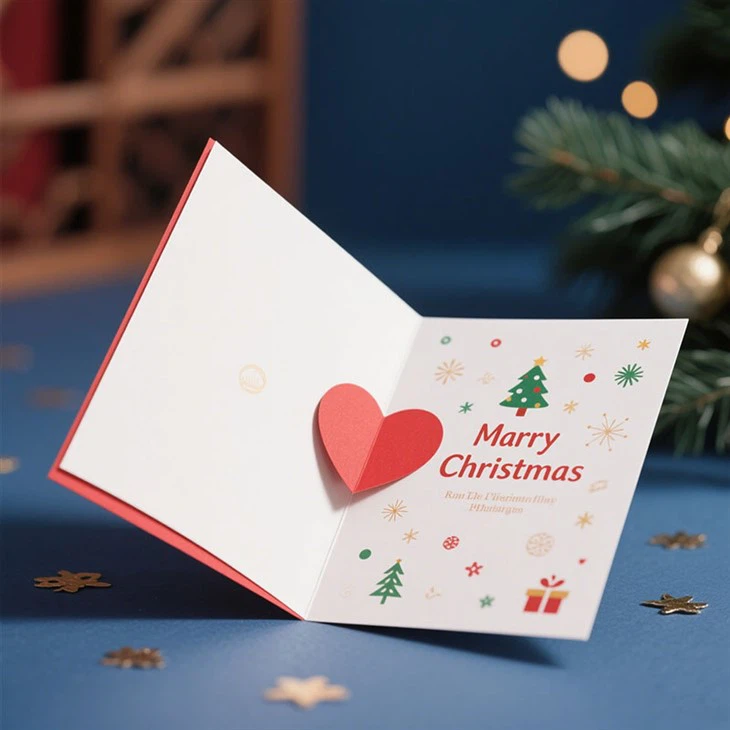
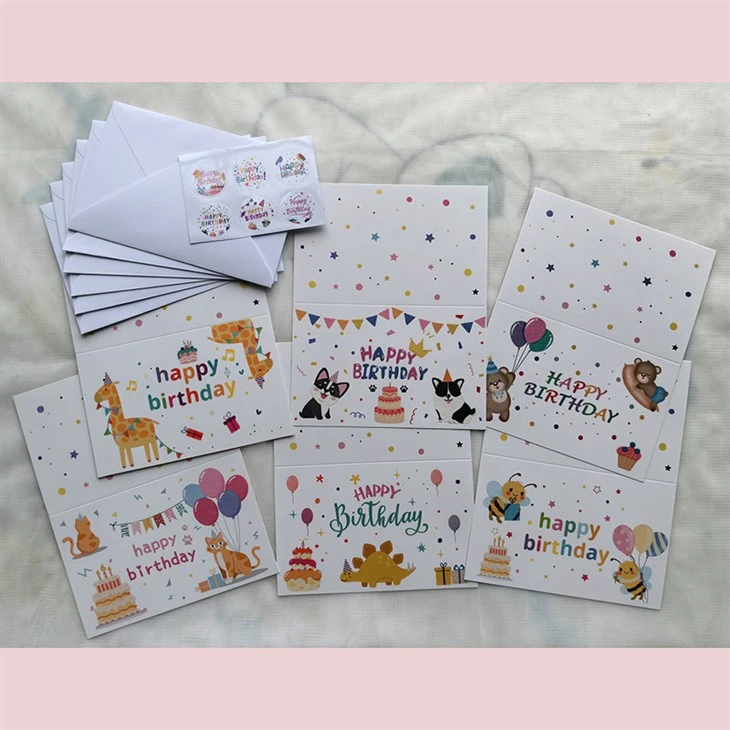
For standard greeting cards, a 80 lb to 100 lb cardstock is a great choice. It's thick enough to hold up well, but not so thick that it becomes difficult to fold or write on. Cardstock also takes ink well, so your printed designs will look sharp and vibrant.
One of the benefits of using cardstock is that it can be easily customized. You can choose from a range of finishes, including glossy, matte, and satin. A glossy finish gives your cards a shiny, eye - catching look, while a matte finish has a more subdued, elegant appearance. Satin finishes offer a nice middle ground, with a soft sheen that adds a touch of sophistication.
If you're interested in Custom Christmas Card Printing, cardstock is an excellent option. Its durability ensures that your holiday cards will last through the season and beyond.
Recycled Paper
In today's environmentally - conscious world, recycled paper is becoming an increasingly popular choice for greeting card printing. Recycled paper is made from post - consumer waste, such as old newspapers, magazines, and office paper.
There are different grades of recycled paper available. Some recycled papers have a high percentage of recycled content, while others may be a blend of recycled and virgin fibers. The quality of recycled paper has improved significantly over the years, and it can now produce high - quality greeting cards.
Recycled paper often has a unique texture and appearance. It may have a slightly rustic or earthy look, which can add a charming and eco - friendly touch to your cards. Many customers appreciate the fact that they're making a more sustainable choice when they buy cards printed on recycled paper.
If you're looking to offer Greeting Cards with Envelopes Printing with an eco - friendly twist, recycled paper is a great option. You can use recycled paper for both the cards and the envelopes to create a cohesive and sustainable product.
Cotton Paper
Cotton paper is another premium option for greeting card printing. It's made from cotton fibers, which give it a luxurious and soft feel. Cotton paper is known for its strength, durability, and excellent ink absorption.
Cards printed on cotton paper have a rich, velvety texture that makes them stand out. The colors on cotton paper tend to look more vibrant and true - to - life compared to other paper types. It also ages well, so your cards will maintain their quality over time.
However, cotton paper is generally more expensive than cardstock or recycled paper. It's a great choice for high - end or special occasion cards, such as Custom Birthday Card Printing for a loved one. The premium look and feel of cotton paper can make the recipient feel extra special.
Kraft Paper
Kraft paper has a natural, rustic charm that makes it a popular choice for certain types of greeting cards. It's made from wood pulp and has a brownish - tan color, which gives it an earthy and organic appearance.
Kraft paper is relatively strong and durable, and it's often used for cards with a more casual or outdoorsy theme. It can be paired with other materials, such as twine or dried flowers, to create a unique and handmade - looking card.
One of the advantages of kraft paper is that it's relatively inexpensive. If you're on a budget or looking to create a large quantity of cards, kraft paper can be a cost - effective option.
Pearlized Paper
Pearlized paper has a unique, iridescent sheen that gives it a magical and eye - catching look. It's often used for cards that need to make a statement, such as wedding invitations or anniversary cards.
The pearlized effect is created by adding special pigments or coatings to the paper. This gives the paper a shimmery appearance that changes depending on the angle of the light.
Pearlized paper can be a bit more challenging to print on compared to other paper types, but when done correctly, it can produce stunning results. It's important to work with a printing supplier who has experience with pearlized paper to ensure that your designs come out looking their best.
Choosing the Right Paper for Your Needs
When choosing the right paper for your greeting card printing, there are a few factors to consider. First, think about the purpose of the cards. If they're for a mass - market product, a more cost - effective option like cardstock or kraft paper might be the way to go. If you're creating high - end or personalized cards, cotton paper or pearlized paper could be a better fit.
Next, consider the design of your cards. Some paper types may work better with certain colors or printing techniques. For example, a glossy finish on cardstock can make bright, bold colors pop, while a matte finish might be better for more subtle or sophisticated designs.
Also, think about the message you want to convey. If you're aiming for an eco - friendly image, recycled paper is an obvious choice. If you want to create a luxurious and elegant card, cotton paper or pearlized paper can help you achieve that look.
Let's Talk!
If you're in the market for greeting card printing, I'd love to chat with you. Whether you have a specific paper type in mind or need some advice on the best option for your project, I'm here to help. I can provide samples of different paper types so you can see and feel the difference for yourself.
We can work together to bring your greeting card ideas to life, from choosing the perfect paper to creating a stunning design. So, don't hesitate to reach out and start the conversation. Let's create some amazing greeting cards together!
References
- "The Paper Book: A Complete Guide to Selecting and Using Paper" by David Jury
- "Printing and Graphic Arts: Theory and Practice" by John D. C. Jones


