


When it comes to textbook printing, one of the fundamental decisions is choosing the right page size. As a seasoned Text Book Printing supplier, I've witnessed firsthand how the page size can significantly impact the reading experience, cost, and overall appeal of a textbook. In this blog, I'll delve into the common page sizes for textbooks, their advantages, and considerations to help you make an informed decision for your next printing project.
Standard Page Sizes for Textbooks
8.5 x 11 inches (Letter Size)
The 8.5 x 11 inches page size, also known as Letter size, is one of the most widely used in the United States and several other countries. It's a versatile size that offers a good balance between space for content and portability.
Advantages:
- Ample Space: With its relatively large dimensions, Letter size provides sufficient room for text, images, charts, and graphs. This makes it ideal for textbooks that require detailed illustrations or complex information presentation.
- Easy to Print: Most printers are equipped to handle Letter size paper, which means lower printing costs and faster turnaround times.
- Familiarity: Readers are accustomed to this size, making it a comfortable and accessible option for extended reading sessions.
Considerations:
- Portability: While it's not overly large, the Letter size can be a bit bulky for students to carry around, especially if they have multiple textbooks.
- Cost: Larger paper sizes generally require more ink and materials, which can increase the overall printing cost.
7 x 10 inches
The 7 x 10 inches page size is a popular choice for textbooks that aim to strike a balance between space and portability. It's slightly smaller than the Letter size but still offers enough room for content.
Advantages:

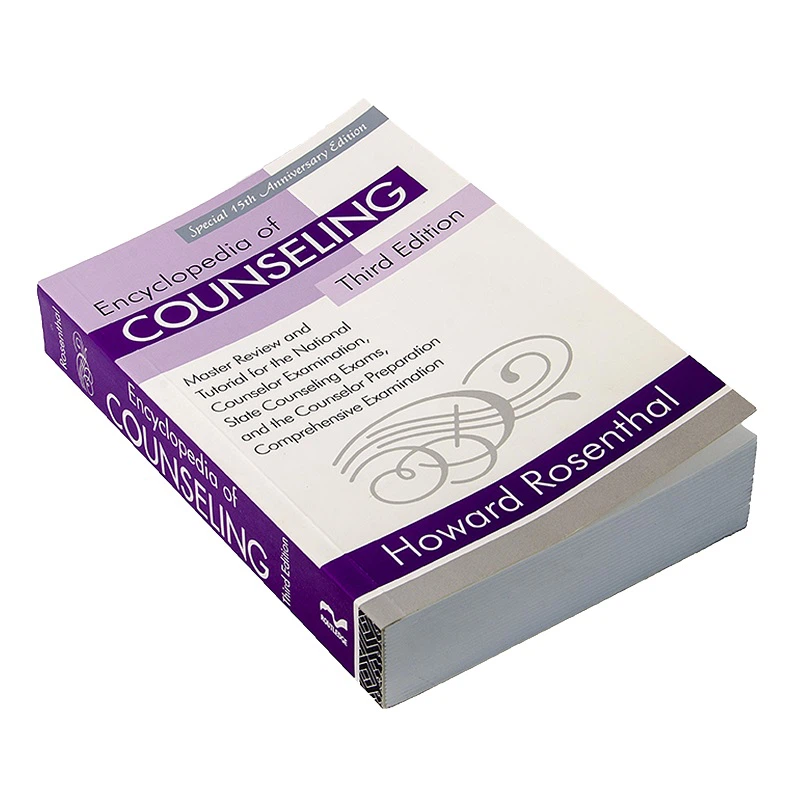
- Portability: The reduced dimensions make it easier for students to carry the textbook in their backpacks or purses.
- Cost-Effective: Using a smaller paper size can help reduce printing costs, especially for large print runs.
- Aesthetic Appeal: The 7 x 10 inches size has a more compact and elegant look, which can enhance the overall appearance of the textbook.
Considerations:
- Limited Space: Compared to the Letter size, the 7 x 10 inches page may have less room for large images or complex layouts. This could potentially limit the amount of information that can be presented on each page.
- Readability: Smaller text or images may be more difficult to read, especially for students with visual impairments.
6 x 9 inches
The 6 x 9 inches page size is a common choice for trade paperbacks and some textbooks. It's a compact size that offers a good compromise between portability and content space.
Advantages:
- Portability: This size is highly portable, making it convenient for students to carry around and read on the go.
- Cost-Effective: Using a smaller paper size can significantly reduce printing costs, making it an attractive option for budget-conscious publishers.
- Versatility: The 6 x 9 inches size is suitable for a wide range of textbook genres, including fiction, non-fiction, and reference books.
Considerations:
- Limited Space: Similar to the 7 x 10 inches size, the 6 x 9 inches page may have limited space for large images or complex layouts.
- Readability: Smaller text or images may be more challenging to read, especially for extended periods.
Specialized Page Sizes
Oversized Textbooks
In some cases, textbooks may require an oversized page size to accommodate large images, maps, or detailed illustrations. Common oversized page sizes include 11 x 17 inches (Tabloid size) and 12 x 18 inches.
Advantages:
- Enhanced Visuals: Oversized page sizes allow for high-quality images and detailed illustrations, which can greatly enhance the learning experience.
- Specialized Content: Textbooks in fields such as art, architecture, or geography often benefit from the extra space provided by oversized pages.
Considerations:
- Cost: Oversized page sizes require more paper and ink, which can significantly increase the printing cost.
- Portability: These textbooks are typically heavy and bulky, making them difficult to carry around.
Miniature Textbooks
On the other end of the spectrum, some textbooks may be printed in a miniature size, such as 4 x 6 inches or smaller. Miniature textbooks are often used for specialized subjects or as companion guides.
Advantages:
- Portability: Miniature textbooks are extremely portable and can easily fit into a pocket or purse.
- Cost-Effective: Using a smaller paper size can reduce printing costs, making them an affordable option for publishers.
Considerations:
- Limited Space: Miniature textbooks have very limited space for content, which may require careful editing and condensation of information.
- Readability: Small text and images can be difficult to read, especially for students with visual impairments.
Binding Options and Page Size
The choice of binding option can also influence the page size of a textbook. Here are some common binding options and their considerations:
Spiral Binding
Spiral binding is a popular choice for textbooks because it allows the book to lie flat when opened, making it easy to read and write on the pages. Spiral Binding Textbooks are available in a variety of page sizes, but the most common sizes are 8.5 x 11 inches and 7 x 10 inches.
Advantages:
- Flat Open: Spiral binding ensures that the book lies flat when opened, which is ideal for taking notes or referring to multiple pages at once.
- Durability: The spiral binding is strong and durable, making it suitable for heavy use.
Considerations:
- Thickness Limit: Spiral binding has a limited thickness capacity, which may restrict the number of pages that can be included in the textbook.
- Aesthetic Appeal: Some people may find the spiral binding less aesthetically pleasing compared to other binding options.
Hardcover Binding
Hardcover binding is a more traditional and durable option for textbooks. Custom Hardcover Book Printing is available in a wide range of page sizes, including Letter size, 7 x 10 inches, and 6 x 9 inches.
Advantages:
- Durability: Hardcover binding provides excellent protection for the pages, making it suitable for long-term use.
- Aesthetic Appeal: Hardcover books have a more professional and elegant look, which can enhance the perceived value of the textbook.
Considerations:
- Cost: Hardcover binding is generally more expensive than other binding options, which can increase the overall cost of the textbook.
- Weight: Hardcover books are typically heavier than paperback books, which may make them less portable.
Choosing the Right Page Size for Your Textbook
When choosing the page size for your textbook, it's important to consider the following factors:
- Content: The type and amount of content in the textbook will determine the amount of space required on each page. If the textbook includes a lot of images, charts, or graphs, you may need a larger page size to accommodate them.
- Audience: Consider the age, reading ability, and preferences of your target audience. Younger students may prefer a larger page size with larger text and images, while older students may be more comfortable with a smaller, more compact size.
- Budget: The page size can have a significant impact on the printing cost. If you're working with a limited budget, you may need to choose a smaller page size to keep costs down.
- Portability: If students will be carrying the textbook around with them, consider a page size that is easy to carry and transport.
Conclusion
Choosing the right page size for your textbook is a crucial decision that can significantly impact the reading experience, cost, and overall appeal of the book. As a Text Book Printing supplier, I understand the importance of finding the perfect balance between content, audience, budget, and portability. Whether you're looking for a standard page size or a specialized option, Text Book Printing offers a wide range of solutions to meet your needs.
If you're interested in learning more about our textbook printing services or have any questions about page sizes, please don't hesitate to contact us. Our team of experts is here to help you make the best decision for your next printing project.
References
- "Book Printing Basics: Page Sizes and Formats." PrintRunner, 2023.
- "Choosing the Right Page Size for Your Book." IngramSpark, 2023.
- "Textbook Printing: A Guide to Page Sizes and Binding Options." The Book Publishers' Toolkit, 2023.


