


Hey there! As a supplier in the textbook printing industry, I often get asked about the resolution requirements for images in textbook printing. It's a crucial topic because the quality of images can make or break the overall look and feel of a textbook. So, let's dive right in and explore what you need to know.
First off, what exactly is image resolution? Well, resolution refers to the number of pixels in an image. Pixels are those tiny dots that make up a digital image. The more pixels an image has, the higher its resolution, and the sharper and clearer it will appear. In the context of textbook printing, having the right resolution is essential to ensure that images look their best on the printed page.
For most textbook printing projects, a resolution of 300 dots per inch (DPI) is the standard. Why 300 DPI? This resolution strikes a good balance between image quality and file size. At 300 DPI, images will print with sharp details and vibrant colors, making them easy to read and understand. Anything lower than 300 DPI may result in blurry or pixelated images, which can be a major distraction for students.
Let's say you're working on a science textbook with detailed diagrams and illustrations. These types of images need to be high-resolution to convey accurate information. A 300 DPI resolution will ensure that every line, curve, and label is crisp and clear, allowing students to study the diagrams without any difficulty.
On the other hand, if you're including photographs in a history textbook, a 300 DPI resolution will also do the trick. Photos with this resolution will print with rich colors and sharp details, bringing historical events to life on the page.
But what if you have an image with a lower resolution? Can you still use it in your textbook? Well, it depends. In some cases, you may be able to get away with a slightly lower resolution, especially if the image is small or used as a background element. However, for larger images or those that require a lot of detail, it's best to stick with 300 DPI.
If you do have an image with a lower resolution, there are a few things you can try. One option is to resize the image to a smaller size. When you reduce the size of an image, the pixels become more concentrated, which can improve the overall appearance. Another option is to use image editing software to enhance the image. Programs like Adobe Photoshop allow you to adjust the sharpness, contrast, and color of an image, which can sometimes make up for a lower resolution.
It's also important to consider the type of printing process you'll be using. Different printing methods have different requirements when it comes to image resolution. For example, offset printing, which is commonly used for large-scale textbook printing, generally requires a higher resolution than digital printing. This is because offset printing produces a more detailed and high-quality print.
When preparing your images for printing, make sure they are in the correct file format. The most common file formats for printing are JPEG, TIFF, and PDF. JPEG is a compressed file format that is suitable for photographs and images with a lot of colors. TIFF is an uncompressed file format that offers the highest quality but also has a larger file size. PDF is a versatile file format that can contain both text and images and is often used for final print-ready files.
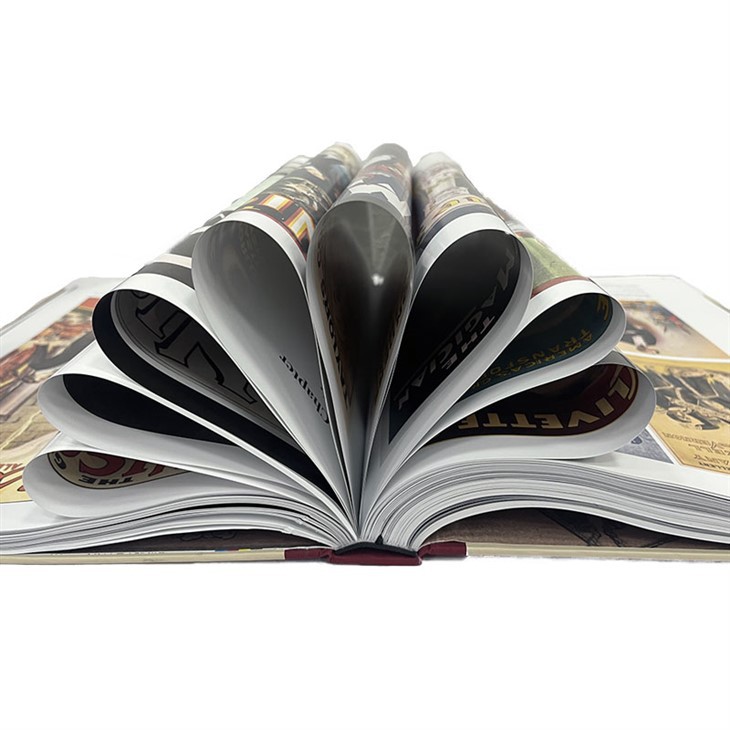

Now, let's talk about some of the services we offer as a textbook printing supplier. We specialize in Spiral Binding Textbooks, which are a popular choice for many schools and educational institutions. Spiral binding allows for easy page turning and keeps the textbook open flat, making it convenient for students to study.
In addition to spiral binding, we also offer Custom Hardcover Book Printing and Custom Paperback Book Printing. Whether you're looking for a durable hardcover textbook or a more affordable paperback option, we can help you create the perfect textbook for your needs.
We understand that every textbook project is unique, and we're committed to providing high-quality printing services at competitive prices. Our team of experienced professionals will work closely with you to ensure that your textbook meets your exact specifications. From image resolution to binding options, we'll take care of every detail so you can focus on creating engaging and educational content.
If you're interested in learning more about our textbook printing services or have any questions about image resolution requirements, please don't hesitate to reach out. We're here to help you make your textbook printing project a success. Contact us today to discuss your needs and get a free quote.
References
- "Printing Basics: Understanding Resolution." PrintPlace. Accessed [Date].
- "Image Resolution for Printing: A Guide." Adobe. Accessed [Date].
- "The Importance of Image Resolution in Textbook Printing." PrintPlanet. Accessed [Date].


