


As a supplier of Custom Printed Gift Boxes, I've witnessed firsthand the transformative power of different printing techniques in elevating the appeal of these boxes. In this blog, I'll delve into the various printing methods used for custom printed gift boxes, exploring their unique features, advantages, and ideal applications.
Offset Printing
Offset printing is a time - tested and widely used technique in the world of custom printed gift boxes. It involves transferring an image from a plate to a rubber blanket and then onto the box material. This method is known for its high - quality results, especially when it comes to reproducing detailed images, sharp text, and a wide range of colors.
One of the key advantages of offset printing is its ability to achieve consistent color across large print runs. This makes it an excellent choice for businesses that require a large quantity of gift boxes with a uniform look. For instance, if a company is ordering thousands of custom printed gift boxes for a promotional event, offset printing can ensure that every box looks identical in terms of color and image quality.
Another benefit is the versatility of offset printing. It can be used on a variety of materials, including paperboard, cardboard, and even some types of plastic. This allows for a wide range of design possibilities, from elegant and sophisticated boxes for luxury gifts to fun and colorful ones for children's presents.
However, offset printing does have some limitations. It typically has a higher setup cost compared to other printing methods because it requires the creation of printing plates. This makes it less cost - effective for small print runs. If you're a startup or a small business looking to print a small number of custom gift boxes, you might want to consider other options.
Digital Printing
Digital printing has revolutionized the custom printed gift box industry in recent years. Unlike offset printing, digital printing does not require the use of printing plates. Instead, it directly prints the image onto the box material using digital files.
One of the biggest advantages of digital printing is its flexibility. It allows for quick turnaround times, making it ideal for last - minute orders or short - run projects. For example, if a customer suddenly needs a batch of custom printed gift boxes for a special event in a week, digital printing can meet that deadline.
Digital printing also offers the ability to customize each box individually. This is particularly useful for personalized gift boxes, where each box can have a different name, message, or image. It's a great option for businesses that offer personalized gifts, such as wedding favors or anniversary presents.
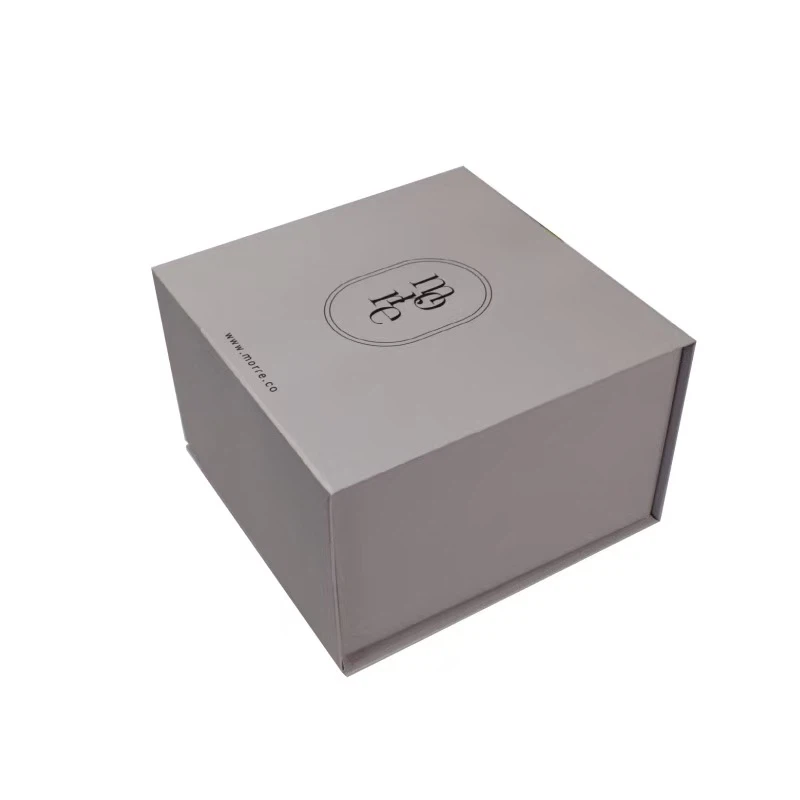

In terms of cost, digital printing is more cost - effective for small print runs because there are no plate - making costs. However, as the print quantity increases, the cost per unit may become higher compared to offset printing.
Screen Printing
Screen printing is a traditional printing technique that has been used for centuries. It involves pushing ink through a mesh screen onto the box material. The areas of the screen that are not part of the design are blocked, allowing the ink to only pass through the desired areas.
Screen printing is known for its durability and vibrant colors. The ink used in screen printing is thick and opaque, which makes the printed image stand out and resist fading over time. This makes it a great choice for gift boxes that need to have a long - lasting and eye - catching appearance.
It is also suitable for printing on a variety of surfaces, including textured materials. For example, if you want to print on a gift box made of a rough - textured paperboard, screen printing can still produce a high - quality result.
However, screen printing has some drawbacks. It is a relatively slow process, especially for complex designs or large print runs. Each color in the design requires a separate screen, which can increase the setup time and cost. Additionally, the level of detail that can be achieved with screen printing is somewhat limited compared to offset or digital printing.
Flexography
Flexography is a printing method that uses flexible relief plates to transfer ink onto the box material. It is commonly used for printing on flexible materials such as plastic films, but it can also be used for paper - based gift boxes.
One of the main advantages of flexography is its high - speed printing capabilities. It can print large quantities of boxes in a relatively short amount of time, making it a popular choice for mass - production. For example, if a large retailer needs to print thousands of custom gift boxes for the holiday season, flexography can meet the demand efficiently.
Flexography also offers good color reproduction and can handle a variety of inks, including water - based, solvent - based, and UV - curable inks. This allows for different finishes and effects on the gift boxes, such as gloss, matte, or metallic.
However, flexography may not be the best option for high - resolution images or very detailed designs. The printing plates used in flexography have a certain level of thickness, which can limit the sharpness of the printed image.
Embossing and Debossing
Embossing and debossing are not strictly printing techniques, but they are important processes for adding a tactile and visual dimension to custom printed gift boxes. Embossing involves raising a design on the surface of the box, while debossing creates a recessed design.
These techniques can add a touch of elegance and luxury to the gift boxes. For example, a debossed logo on a high - end jewelry box can give it a sophisticated and exclusive look. They can also be combined with other printing methods to enhance the overall design.
Embossing and debossing require special equipment and dies, which can increase the cost. However, the impact they have on the perceived value of the gift box can be well worth the investment, especially for high - end products.
Foil Stamping
Foil stamping is another decorative technique that can be used in conjunction with other printing methods for custom printed gift boxes. It involves applying a thin layer of metallic or colored foil to the box surface using heat and pressure.
Foil stamping can create a stunning visual effect, adding a touch of glamour and luxury to the gift boxes. Gold, silver, and copper foils are commonly used to create a high - end look, but there are also a variety of other colors available.
This technique is often used for branding purposes, such as stamping a company logo or name on the box. It can also be used to highlight specific elements of the design, making them stand out. However, like embossing and debossing, foil stamping has a relatively high setup cost due to the need for custom dies.
Choosing the Right Printing Technique
When choosing a printing technique for your custom printed gift boxes, several factors need to be considered.
Print Quantity: As mentioned earlier, the quantity of boxes you need to print is a crucial factor. For large print runs, offset printing or flexography may be more cost - effective, while digital printing is better suited for small runs.
Design Complexity: If your design has a lot of fine details, high - resolution images, or a wide range of colors, offset or digital printing may be the best options. For simpler designs or designs that require a bold and vibrant look, screen printing could be a good choice.
Budget: Your budget will also play a significant role in the decision - making process. High - end techniques like embossing, debossing, and foil stamping can add a lot of value to the boxes but come with a higher cost. You need to balance the desired look and feel of the boxes with your financial constraints.
Time Constraints: If you're working on a tight deadline, digital printing is the most suitable option due to its quick turnaround time.
Conclusion
As a supplier of Custom Printed Gift Boxes, I understand that choosing the right printing technique is essential to creating high - quality, eye - catching boxes that meet your customers' needs. Whether you're looking for a cost - effective solution for small - scale production or a high - end finish for luxury gifts, there's a printing method that's right for you.
If you're interested in learning more about our Custom Printed Gift Boxes or want to discuss your specific requirements, please don't hesitate to reach out. We're here to help you make the best choice for your business. You can explore our other products such as Custom Printed Corrugated Boxes, Wrap Storage Container, and Custom Personalized Pizza Boxes.
Let's work together to create custom printed gift boxes that will make your products stand out and leave a lasting impression on your customers.
References
- "The Printing Handbook" by Frank Romano
- "Packaging Design: Successful Product Branding from Concept to Shelf" by Margaret C. Russell


