

The paper stock and surface finish you choose for
custom game cards shape how the deck feels to hold, how long it survives repeated play, and whether the first impression matches the quality of the artwork inside. Get the specification right and players notice - not because the cards announce themselves, but because nothing feels wrong. Get it wrong and even strong artwork can't compensate for cards that stick together, warp over a humid summer, or feel unconvincing next to a deck a player already trusts.
This guide covers the paper types and surface finishes used in professional card production, explains the tradeoffs that actually matter, and gives clear starting recommendations for each card type.
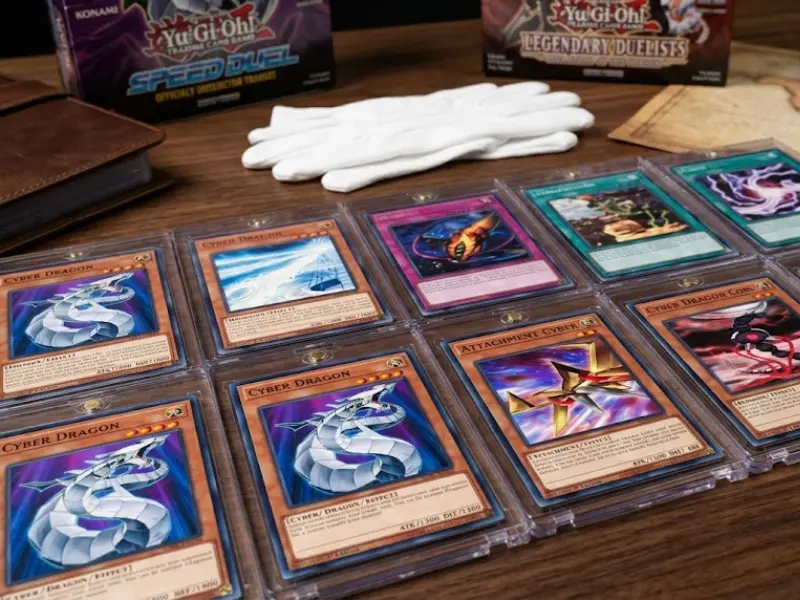
Paper Stock: The Foundation of Every Card
All game cards share the same basic construction: two printed outer sheets bonded to a center core. The core material and total weight determine stiffness, opacity, and hand feel.
Black Core Cardstock - When Opacity Is Part of the Game
Black core cardstock takes its name from an opaque black layer at the card's center. Hold a standard white-core card up to a strong light source and the print on the opposite face becomes partially visible. In a casual board game, that's a minor annoyance. In a competitive trading card game or poker context, it's a fairness problem - practiced players can sometimes identify cards by the light-transmission pattern through the back.
Beyond opacity, black core has a firm mechanical snap when flexed - the quality that TCG players and card collectors associate with professional production. The 310 gsm weight is standard precisely because it's substantial without being inflexible.
Use black core for: Trading card games, collectible card games, poker decks, professional playing card decks - wherever card identification through the back would affect play.
Skip it for: Board game cards, tarot decks, promotional cards. Without a functional reason, the cost premium adds nothing.
White Core Cardstock - Right for Most Projects
White core cardstock covers the majority of card printing applications. The white center layer shows as a clean edge when cut - the expected appearance for board game cards, educational materials, and retail card products. Understanding the
differences between coated and uncoated paper optionshelps clarify how weight and surface treatment interact before you finalize a spec.
- 300 gsm - The standard for board game action cards, resource cards, and event cards. Durable through many play sessions and cost-effective for large card counts.
- 350 gsm - Noticeably more substantial. The extra weight communicates quality the moment a deck is picked up - which is why it's the preferred spec for tarot and oracle decks, where handling the cards is central to the product experience.
- 280–290 gsm - Appropriate for promotional cards and game inserts where cost per unit is the priority.
Surface Finish Options Explained
Every card needs a surface finish. The choice affects durability, appearance, readability, and tactile feel - and some finishes interact with others in ways worth understanding before you commit.
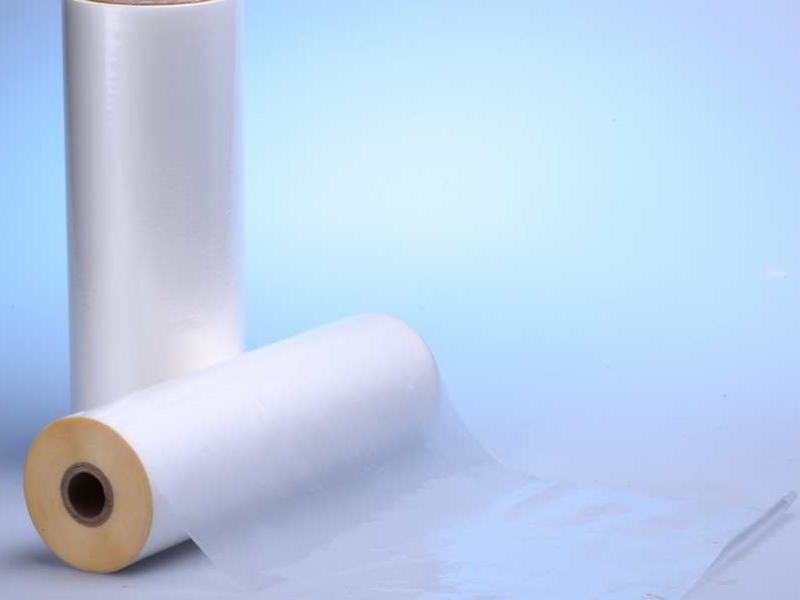
Matte Lamination - The Most Practical Default
For most board game and educational card projects, matte lamination is the starting point that earns its position. A thin plastic film bonds to the card surface and produces a non-reflective result that solves the most common practical problems at once: glare under varied gaming-table lighting, fingerprint buildup, and inconsistent photography for Kickstarter or retail imagery. If you're weighing up the matte vs gloss decision in more depth, the difference in real-world use is worth understanding before committing.
The tradeoff: colors appear slightly less saturated than under gloss lamination. Designs with large areas of vivid warm color - reds and oranges especially - can shift visibly. Always confirm with a physical proof before approving full production.
Gloss Lamination - When Color Vibrancy Comes First
Gloss lamination's reflective surface makes colors appear more punchy and saturated - the right call for playing cards, promotional decks, and TCGs with bright, full-color artwork. Two practical limitations apply: the surface shows fingerprints clearly on dark card backs, creating a card that looks dirty within a few play sessions; and spot UV cannot be added on top - both surfaces are already shiny, making the UV effect invisible. If your artwork is dark or atmospheric, matte lamination is almost always the better choice.
Soft Touch Lamination - What Premium Buyers Expect
Soft touch lamination has a velvety, suede-like surface that delivers a tactile experience standard matte cannot replicate. For premium art cards, tarot decks, and oracle decks, soft touch has become the effective market baseline - buyers who own multiple decks have developed specific tactile expectations, and standard matte no longer meets them at premium price points.
It costs more than standard matte or gloss lamination. The surface can scuff in transit if packaging allows the cards to shift freely. It combines exceptionally well with spot UV: the contrast between the velvet surface and a high-gloss UV element is immediately noticeable both by sight and by touch.
Spot UV - An Accent That Needs a Matte Base
Spot UV is not a base finish - it's an additive coating applied on top of matte or soft touch lamination. A clear, high-gloss resin is applied precisely to specific areas of the card: a title, a central figure, a key symbol, a decorative border. The effect only exists in contrast with a non-glossy base; on a gloss laminated card it is invisible, meaning you pay for an enhancement no one can see.
File preparation matters here. Spot UV requires a separate high-contrast black-and-white design layer - black areas indicate where the coating is applied. Minimum workable element width is approximately 0.3mm; finer details won't reproduce cleanly. Build this layer into the design from the start rather than trying to retrofit it after a layout is finalized.
Poker Varnish and Linen Texture - The Playing Card Combination
Poker varnish is a liquid coating that gives cards a smooth, low-friction surface - cards glide past each other during shuffling and dealing. Linen texture is a fine crosshatch pattern pressed into the card surface after the varnish is applied, adding controlled grip while maintaining that smooth inter-card motion. These two finishes are almost always applied together on professional playing card decks and TCG products, and they're the standard behind the shuffle feel players associate with Magic: The Gathering, Pokémon, and casino decks.
Matte varnish - a non-reflective liquid coating - is a cost-effective alternative to matte lamination for instructional and reference cards. One thing worth knowing: matte varnish can show a subtle directional texture from the coating machine's conveyor belt during application. It's a normal production characteristic, not a defect, but worth discussing with your printer if a perfectly smooth surface matters to the design.
Recommended Specifications by Card Type
| Card Type | Paper | Finish | Priority |
|---|---|---|---|
| TCG / Collectible cards | 310 gsm black core | Varnish + linen texture | Opacity + shuffle performance |
| Standard playing cards | 310 gsm black core | Poker varnish + linen | Consistent shuffle feel |
| Board game cards | 300 gsm white core | Matte lamination | Readability + durability |
| Tarot / Oracle cards | 350 gsm white core | Soft touch lamination | Premium tactile quality |
| Educational flashcards | 300–350 gsm white core | Matte lamination | Durability + low glare |
| Promotional cards | 300 gsm white core | Gloss lamination or varnish | Visual impact at cost |
that need to be writable on one side, confirm one-sided coating availability with your printer before placing an order - it affects the finishing sequence and isn't universally offered. If you're producing
cards intended for retail sale, matching your spec to the category's established standards matters more than it might seem: buyers in the TCG and tarot markets have strong tactile expectations that a specification mismatch will immediately reveal.
Budget: Where the Cost Decisions Actually Land
Before looking at the cost tiers, it helps to understand where the real budget levers are. The full range of printing specifications and their cost implications can look daunting, but in practice the biggest variables are specialty substrates - holographic, pearlescent, colored core - and combination finishes like spot UV, foil stamping, and edge treatments. The difference between standard matte and gloss lamination on the same cardstock is often minor relative to total unit cost. This means that if budget is constrained, staying on standard white core and redirecting margin to a finish upgrade usually produces a more noticeable quality improvement than upgrading the substrate alone.
- Economy: White core (280–300 gsm) + standard varnish. For promotional cards and high-volume educational runs where cost per unit leads the decision.
- Standard: White core (300 gsm) + matte or gloss lamination. The professional baseline for most retail board games and mid-budget card projects.
- Premium: Black core (310 gsm) + linen texture for TCGs, or 350 gsm white core + soft touch for tarot and oracle decks. A meaningful per-card cost increase - and an immediately perceptible quality difference for the right audience.
- Luxury / Limited edition: Specialty substrate + combination finishes. Significantly higher unit costs and often higher minimum order quantities. Confirm MOQ before building a production plan around specialty materials.
What Your Design Files Need to Account For
Surface finish choices have file preparation implications that affect print quality. Catching them before production starts avoids costly revision cycles, and meeting consistent print quality standards
begins with correctly prepared files.
Color shift under matte and soft touch lamination. Both finishes reduce apparent color saturation after application, most noticeably in saturated warm colors. If your design relies on vivid reds or oranges, ask your printer about expected color shift before submitting final files - some adjustments are better made early.
Spot UV layer setup. A separate high-contrast black-and-white file is required, where black areas indicate where the UV coating is applied. This layer needs to be precisely registered to your main print file. Minimum element width is approximately 0.3mm. Build the UV layer into your design from the start rather than adding it afterward - the alignment work is significantly harder to retrofit.
Lamination and box dimensions. Lamination adds real measurable thickness to each card. A tuck box or game box sized for unlaminated cards will be tight around the same card count with soft touch lamination applied, and noticeably tight with specialty-thickness stocks. Request exact card thickness measurements from your printer - with your specified finish applied - before finalizing packaging dimensions. For more on
finish selection and its practical effects on the final product, reviewing real-world production examples clarifies expectations significantly.
A physical proof is not optional. No digital mockup accurately represents how your card will look and feel with the specified stock and finish applied. Color shift, lamination sheen, spot UV registration, and tactile quality all require a physical proof to verify before committing to a full run.
Three Mistakes Worth Avoiding
Speccing black core paper for board game cards. Without a gameplay reason for card opacity, you're paying a premium for a feature that adds nothing. White core performs identically for board game applications at lower cost per card.
Pairing spot UV with gloss lamination. The UV coating is invisible against a gloss laminated base - both surfaces are already shiny. Spot UV only creates visible contrast on matte or soft touch lamination. Discovering this after production means paying twice.
Skipping the physical proof. Color shift, lamination sheen, spot UV registration, and tactile feel cannot be assessed from a screen display or digital output. For any print run of meaningful size, the cost of a proof is trivially small compared to the cost of a full-run problem discovered at delivery.
FAQ
Q: What is the practical difference between black core and white core for board game cards?
A: Black core prevents light from passing through the card - essential for TCGs and competitive card games where card identification through the back would create a fairness problem. For most board game applications this isn't a concern, and white core performs just as well at lower cost. When planning your full component set, it's also worth reviewing standard card sizes to confirm that dimensions and paper weight work together across the full production specification.
Q: Can I use different finishes on the front and back of the same card?
A: In most standard production setups, the same finish is applied to both sides after printing. If you need different surface properties on each side - for example, a laminated face and a write-on-friendly back for annotation - discuss this with your printer before placing an order. It's technically feasible in some setups but affects the finishing sequence and isn't universally offered.
Q: Are there eco-friendly or FSC-certified paper options for card printing?
A: Yes. FSC-certified white core cardstock is available from most responsible printers, covering paper sourced from forests managed to environmental standards. Water-based coatings and varnishes are less chemically intensive than solvent-based alternatives. Lamination involves a plastic film, making it less eco-friendly than varnish; if sustainability is important to your audience, matte varnish is a lower-impact alternative to matte lamination, with some reduction in surface durability as a tradeoff. For a broader look at sustainable paper material options used across printing applications, or to verify FSC certification standards directly, the Forest Stewardship Council publishes the full certification criteria and a searchable supplier database.
Q: When should I request a physical sample before committing to a full specification?
A: For any project over a few hundred units - and especially for a tarot or oracle deck where tactile feel is central to what buyers are paying for - a physical sample with your actual finish applied is worth requesting before finalizing the spec. The difference between matte lamination and soft touch, or between varnish and lamination, is difficult to communicate accurately in words or screen images. Getting in touch with your printer early to discuss sample availability avoids revision cycles and gives you an accurate reference point before production begins.


