

Pressure sensitive labels - also called self-adhesive labels or PSLs - account for the large majority of product labels applied globally. They stick with pressure alone: no water, heat, or solvent required. But beneath that simplicity is a set of material, adhesive, and printing decisions that genuinely affect performance. This guide walks through each one in plain terms, so you can make a confident specification or ask your supplier the right questions. For a broader view of how labels fit into your overall packaging system, see our product labels overview.
How a Pressure Sensitive Label Is Built
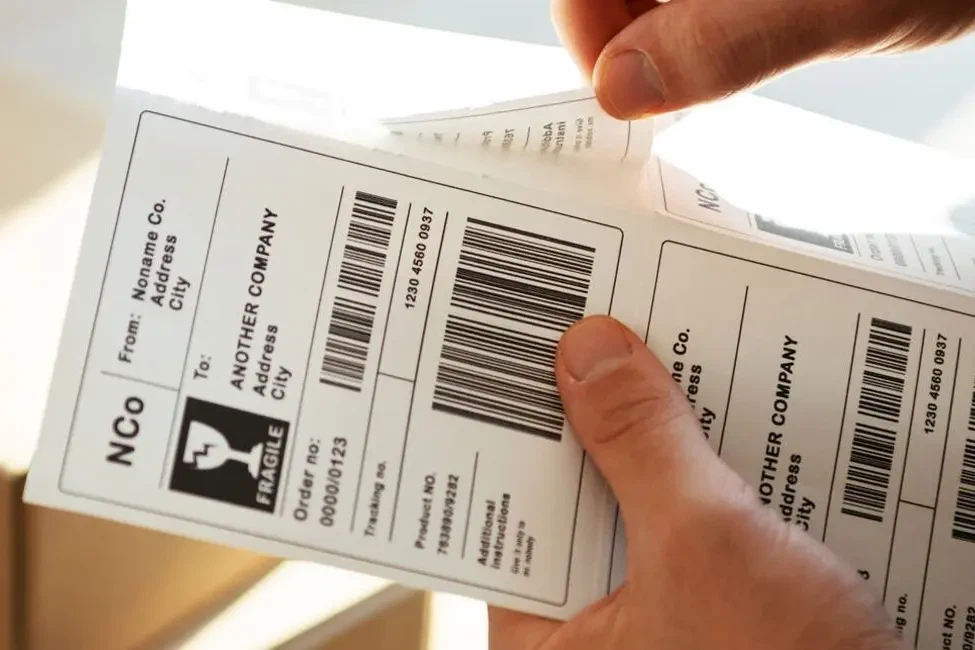
Every PSL has three layers working together - what the industry sometimes calls the label sandwich:
- Facestock - the printable outer layer your customers see. It carries the brand, product name, and all required information.
- Adhesive - sandwiched behind the facestock, this bonds the label to the container when pressure is applied. The formulation determines bond strength, surface compatibility, and temperature performance.
- Release liner - the backing paper or film that protects the adhesive until application. For automated lines, liner type (paper vs. PET film) affects dispensing speed and die-cut accuracy.
Understanding what each layer does is the foundation for every decision that follows.
Facestock Materials: What Your Options Actually Mean
The facestock is the most visible choice and has the biggest effect on durability, appearance, and cost. Here's how the main categories compare in practice.
Paper
Paper is cost-effective, prints beautifully, and comes in coated (gloss or matte output), uncoated (natural, tactile), and textured varieties. It works well for products stored in dry, ambient conditions - packaged food, candles, artisan goods. Its limit is moisture: paper absorbs water and will curl, wrinkle, or lose adhesion in refrigerated or humid environments. Choosing paper for a cold-chain product is one of the most common and costly label mistakes.
Film: BOPP, PET, PE, and Vinyl
Synthetic films outperform paper wherever durability matters. Each has a distinct role:
- BOPP (Biaxially Oriented Polypropylene) - the workhorse. Moisture-resistant, food-safe, available in clear, white, or metallized finishes. Clear BOPP on a clear container creates the popular no-label look. Widely used in beverages, personal care, and household products.
- PET (Polyester) - stronger and more chemically resistant than BOPP. The standard choice for pharmaceutical labels, industrial environments, and anything exposed to oils or solvents.
- PE (Polyethylene) - highly flexible, stretches without tearing. Right for squeezable containers or packaging that deforms in use.
- Vinyl (PVC) - UV-resistant and durable outdoors. Used for warning labels, automotive applications, and industrial goods where long-term weathering matters.
Foil and Specialty Stocks
Metallic foil creates a premium, high-reflectivity surface - common on spirits, fragrance, and luxury skincare. It costs significantly more and limits some printing techniques, so it earns its place only when the brand story genuinely justifies it. Specialty options like pearlescent, cotton, or wood-grain stocks can work as brand differentiators in artisan contexts, but confirm compatibility with your chosen printing method and adhesive before specifying them. For help matching material choices to your product box printing format, material decisions interact across the full packaging system.
Adhesives: The Decision Most Brands Get Wrong
Adhesive selection is the most consequential and most misunderstood part of label specification. The wrong choice leads to labels that peel in the freezer, lift on plastic bottles, or won't come off cleanly when a customer tries to remove them. For a deeper look at how adhesive choice connects to broader packaging material selection, the considerations overlap significantly.
Permanent, Removable, and Repositionable
- Permanent - strong, lasting bond. The correct default for most retail products. Removal is possible but typically damages the label or leaves residue.
- Removable - peels off cleanly without residue. For promotional stickers, price tags, and temporary over-labels.
- Repositionable - low initial tack, allowing adjustment after application. Used where precise placement on a difficult surface matters.
Temperature Grades
Standard adhesives assume room-temperature storage. When that assumption breaks, performance drops fast.
- All-temperature - handles a range from cold application through ambient storage. A reasonable upgrade for products shipped in mixed-temperature environments.
- Refrigerator-grade - maintains bond at 2–8°C. Required for fresh food, dairy, and pharmaceutical cold-chain products.
- Freezer-grade - maintains adhesion at -18°C and below. Without it, labels flag at corners and migrate during thaw-refreeze cycles.
Surface Energy
Not all container surfaces bond equally. Glass, metal, and PET plastic have high surface energy - most permanent adhesives work well here. HDPE and PP plastic have low surface energy - standard adhesives frequently fail. If your container is natural-finish HDPE (common in supplements, cleaning products, and personal care), specify a high-tack adhesive formulated for low-energy surfaces and confirm this with your supplier before ordering. This is one of the most common root causes of adhesion failure in consumer packaging, and it's almost always avoidable with the right specification up front. See also our guide on factors to consider when selecting packaging specifications.
Finishes: Where Brand Positioning Meets Durability
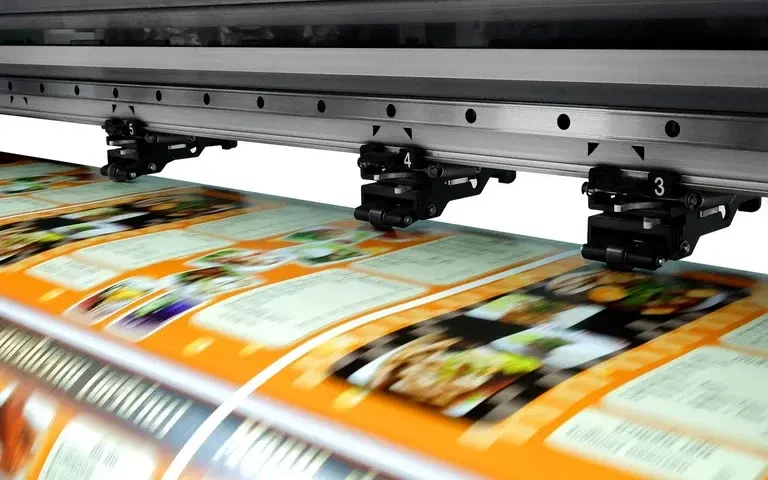
A finish or coating is applied after printing. It protects the ink and shapes the visual identity of the product.
Varnish (gloss, matte, soft-touch) is applied in-line during printing. Gloss amplifies color and suits high-energy categories like beverages and snacks. Matte reads as natural, restrained, and premium - the default for organic food and upscale skincare. Soft-touch creates a velvety tactile surface that signals luxury, but adds cost. For a detailed comparison of how paper finish choices affect shelf presence, our glossy vs. matte paper guide covers the trade-offs directly.
Lamination adds a film layer bonded to the surface after printing, creating significantly stronger physical protection against abrasion, moisture, and chemical contact. For refrigerated products, wet environments, or anything with a demanding supply chain, lamination is usually necessary rather than optional. Varnish alone won't hold up.
Premium finishes - foil stamping, embossing, spot UV - can elevate perceived value when used deliberately. One well-placed foil accent on an otherwise clean matte label reads premium. Layering multiple effects tends to produce visual noise rather than elegance, and adds tooling costs with diminishing returns.
Printing Methods: Digital, Flexo, or Hybrid
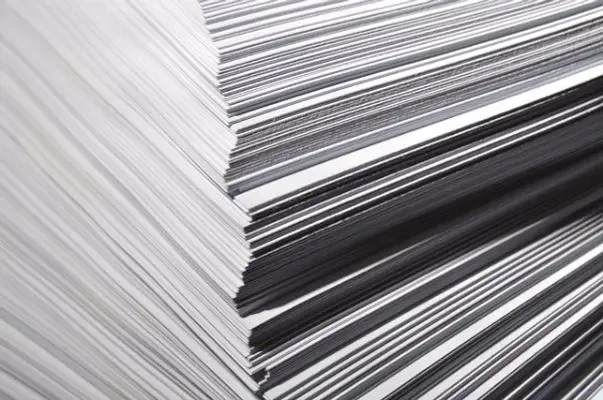
Printing method affects your minimum order quantity, per-unit cost, color accuracy, and what finishes are achievable. There's no universally best option - the right choice depends on volume and how often your design changes. For a fuller breakdown of how to match your requirements to a print method, see our printing method selection guide.
- Digital printing - no plates, no minimum tooling cost. Best for under 5,000 units, multi-SKU lines, frequent design changes, and variable data (different barcodes or serial numbers per label). Per-unit cost is higher at large volumes and some specialty inks aren't available.
- Flexographic printing - plate-based, fast, and cost-efficient at scale. Best above 20,000 units where color accuracy (including Pantone matching) and specialty inks matter. Plate fees mean design changes cost more, so it suits stable designs in stable volumes.
- Hybrid printing - combines digital and flexo in one pass. Brand elements run flexo; SKU-specific or variable content runs digital. Increasingly common for brands managing 8–15 SKUs at medium volumes, where neither pure method is economically ideal.
Understanding how print method interacts with volume and cost is key to avoiding overinvestment early. Our overview of controlling packaging printing costs covers the volume thresholds in more detail.
How to Choose the Right Label for Your Product
With the components understood, here is a practical sequence for working through a label specification. Each decision narrows the next one.
Start with the container
Shape and material are fixed constraints. Flat or rectangular surfaces work with almost any PSL format. Standard cylinders suit wrap-around labels. Tapered or heavily contoured containers can cause paper or rigid film labels to buckle - consider a narrower label confined to the widest flat zone, or evaluate shrink sleeves if full coverage is essential. Squeezable containers (LDPE, PE) need a flexible film facestock that deforms without cracking. The range of common packaging box types also shapes what label formats are practical for each structure.
Container material determines adhesive type: glass, metal, and PET accept most permanent adhesives; HDPE and PP require high-tack formulations.
Consider the environment
Where will the product be stored, shipped, and used? A label that looks perfect in the design file can fail completely in the real environment.
- Ambient retail (dry): Coated paper or white BOPP, standard permanent adhesive, gloss or matte varnish.
- Refrigerated (2–8°C): BOPP or PET film, refrigerator-grade adhesive, gloss lamination.
- Frozen (below -18°C): White BOPP or PET, freezer-grade adhesive, gloss lamination.
- Wet or humid (bathroom products): BOPP, moisture-resistant adhesive, lamination or UV varnish.
- Outdoor or industrial: PET or vinyl, high-tack UV-resistant adhesive, matte lamination.
For more on how environment drives material specification choices across your full packaging format, our guide on key material selection considerations covers the overlapping factors.
Match volume to print method
Under 2,000 units: digital. Between 2,000 and 20,000: digital or hybrid depending on SKU count and design stability - get quotes for both. Above 20,000: flexo typically delivers the lowest cost per unit. Invest in plates once; reuse them across subsequent runs.
Align finish to brand positioning
Mass consumer goods benefit from gloss - affordable, durable, high color impact. Organic or natural brands read better in matte or uncoated paper. Premium or luxury products justify soft-touch lamination, foil accents, or embossing - but one tactile or metallic element tends to outperform three. Pharmaceutical and compliance-heavy products should prioritize print clarity and label durability over decorative finish. For cosmetics brands in particular, the label needs to work in tandem with the outer box - see our custom cosmetic box packaging for how these elements align.
Test on the real container before committing to production
Always apply a physical sample to your actual container before approving a full run. Adhesion failures, color shifts, placement misalignments, and barcode scan errors are far easier to resolve at sample stage than after production. If you're using automated equipment, confirm the roll direction and liner type with your applicator manufacturer before finalizing the specification. Our printing specifications guide covers the technical file and pre-press requirements in detail.
Industry-Specific Notes
Food and beverage: FDA compliance requires correct ingredient listing, nutrition facts, and allergen declarations. Material choice is driven by environment - ambient products have more flexibility; refrigerated and frozen products need film facestocks and rated adhesives throughout the cold chain.
Cosmetics and personal care: The FDA's cosmetics labeling requirements under the Modernization of Cosmetics Regulation Act (MoCRA) include INCI ingredient nomenclature and specific content disclosures. Labels destined for use in wet environments (shampoo, body wash, hand lotion) need moisture-resistant construction throughout. Align the primary label specification with the outer carton when both are present - the custom folding box and the bottle label should tell the same visual story.
Pharmaceutical: Labels require lot tracking, tamper evidence, and adhesion stability through cold-chain logistics. PET facestock with high-tack adhesive is the standard starting point. Barcode readability is a compliance requirement, not just a logistics convenience - placement on a flat, sealable surface with correct quiet zones is non-negotiable. For traceability standards, GS1 barcode standards are the global reference.
Industrial and logistics: Chemical resistance, abrasion resistance, and consistent barcode scan rates matter more than aesthetics. PET or vinyl facestock with aggressive permanent adhesive and matte lamination is the practical default. Our overview of future trends in packaging also touches on where smart labels and RFID integration are heading for logistics applications.
Frequently Asked Questions
What is the difference between a pressure sensitive label and a sticker?
Functionally, they are the same construction: facestock, adhesive, and liner. In commercial packaging, "pressure sensitive label" refers to a specification-grade product used for branding, regulatory information, or retail sale. "Sticker" is an informal term with no fixed technical definition. The underlying technology is identical.
Can pressure sensitive labels be used in freezer conditions?
Yes, but only with the correct construction. You need a freezer-grade adhesive (rated to -18°C or below), a film facestock such as BOPP or PET, and gloss lamination to protect the print from condensation. Standard adhesives and paper facestocks will fail in frozen environments.
What adhesive should I use for HDPE containers?
HDPE has low surface energy, which means standard permanent adhesives don't bond reliably. Specify a high-tack adhesive formulated for low-surface-energy plastics, or a rubber-based aggressive permanent adhesive. Ask your label supplier to confirm the formulation is rated for HDPE before ordering - this is a common source of adhesion failures that are entirely preventable at the specification stage.
How many units do I need to make flexographic printing worthwhile?
As a practical guide, flexo becomes cost-competitive above 10,000–20,000 units per SKU when plate fees are factored in. Below that threshold, digital printing is typically more economical. The break-even point varies by supplier and label complexity, so it's worth getting quotes for both methods at your target volume.
Are pressure sensitive labels recyclable?
It depends on the label construction and your local recycling stream. Some adhesive formulations are designed to wash off in hot recycling processes, improving compatibility with plastic and glass recycling. If recyclability is a requirement for your brand, specify wash-off adhesives and confirm compatibility with the container's recycling designation before finalizing the spec.
Choosing Well Is Mostly About Sequence
A label that performs reliably isn't the result of premium materials across the board - it's the result of matching the right material to the right situation. Work through the decisions in order: container shape and material first, then storage environment, then volume and print method, then finish and brand positioning. Each decision narrows the next one, and the whole specification becomes coherent rather than a collection of individual guesses.
If you're ordering for the first time, request a physical sample on your actual container before committing to production. Most problems - adhesion, color accuracy, placement - show up at sample stage, not after the run. If you're ready to discuss specifications or get a quote, reach out to our team directly.


